

The Movement Blog
Explore guidance on injury recovery, pain management, prevention, and active living.
Filter articles (1 active) Showing 1–12 of 15 articles
-
 Sep 1st, 2026
Jaw Pain and TMD – How Physiotherapy Can Help
Learn about common causes and symptoms of jaw pain and TMD, and how physiotherapy can help restore comfortable jaw movement.
-
 Jul 5th, 2025
Rotator Cuff Calcific Tendonitis
If you’ve been diagnosed with Rotator Cuff Calcific Tendonitis or suspect it may be the cause of your discomfort, this post will guide you through what it is, why it occurs, and what you can do about it.
-
 Feb 10th, 2025
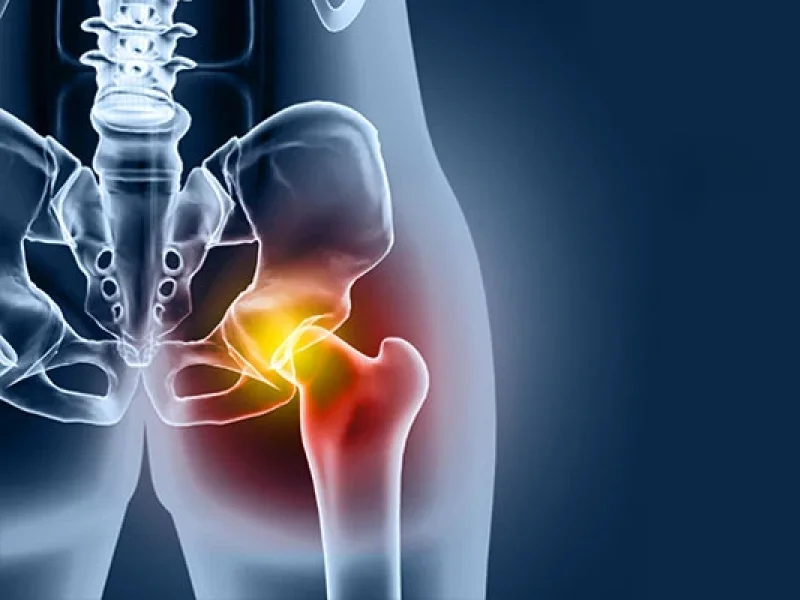
Referred Pain – The Hip Joint
Learn how hip joint problems can cause referred pain in the groin, thigh, buttocks, and knee, and why diagnosis matters.
-
 Jan 30th, 2025
Referred Pain – Lumbar Spine
Learn how problems in the lumbar spine can cause referred pain in the legs, buttocks, and feet, and why assessment matters.
-
 Jan 17th, 2025
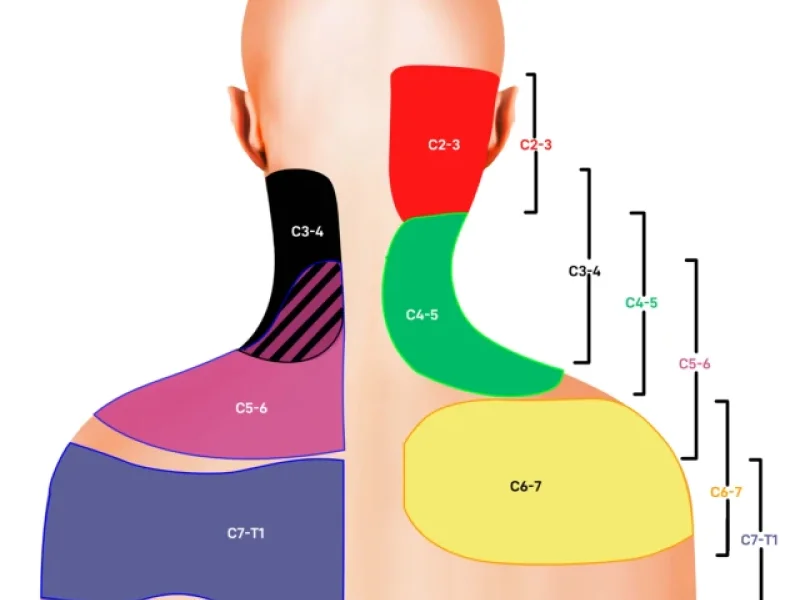
Referred Pain – The Cervical Spine
Learn how problems in the cervical spine can cause referred pain in the shoulders, arms, hands, head, and upper back.
-
 Dec 18th, 2024
Referred Pain – The Rotator Cuff
Learn how rotator cuff problems can cause referred pain in the arm and why identifying the true source matters for treatment.
-
 Nov 30th, 2024
Improving Sleep With Physiotherapy
Learn how physiotherapy may improve sleep by managing pain, reducing muscle tension, and encouraging relaxation.
-
 Nov 14th, 2024
Tendonitis: Symptoms & Treatment
Learn about the symptoms of tendonitis and how physiotherapy can help manage pain, restore movement, and support recovery.
-
 Oct 3rd, 2024
Relieving Pain Through Yoga
Discover how yoga can help manage pain, improve flexibility, and relieve tension with three simple stretches to try.
-
 Jun 17th, 2024
Knee Osteoarthritis
Learn what causes knee osteoarthritis, how to manage flare-ups, and why exercise can help reduce pain and keep you active.
-
 Apr 17th, 2024
What is Dry Needling?
Learn how dry needling and IMS work, what to expect during treatment, and how they may help relieve muscle pain and tension.
-
 Jul 24th, 2023
A Physiotherapist’s Guide to Managing Fibromyalgia
Learn how physiotherapy can help manage fibromyalgia symptoms through education, exercise, pain relief, and personalized care.