
Chronic Pain Management
Chronic pain can affect how you move, sleep, work, exercise, and participate in daily life. Care starts with understanding your symptoms, what may be contributing to them, and what kind of plan can help you build function, confidence, and quality of life.
Chronic pain management starts with careful listening. Your physiotherapist will want to understand how the problem began, how it has changed, what makes it better or worse, and how it is affecting your life. From there, they can assess movement, strength, mobility, sensitivity, and other factors that may be contributing to the problem.
When pain persists for months or even years, it can become complex and more difficult to manage. The nervous system can become more sensitive over time, which may lead to flare-ups, reduced activity, fear of movement, and frustration when symptoms do not follow a simple pattern.
Long-standing pain can feel discouraging, especially when symptoms are unpredictable or previous treatments have not provided clear answers. Fortunately, you do not have to sort out chronic pain on your own.
Who it’s for
Chronic pain management may be helpful if you are:
living with pain that has persisted for months or years
experiencing recurring flare-ups
avoiding movement because of pain
finding that pain affects sleep, work, or daily life
struggling to return to exercise or activity
looking for guidance with pacing and self-management
Treatment may include
Chronic pain management often works best when several strategies are used together. Your care plan may include:
- education about pain and how the nervous system can become sensitized
- movement and activity strategies to build confidence gradually
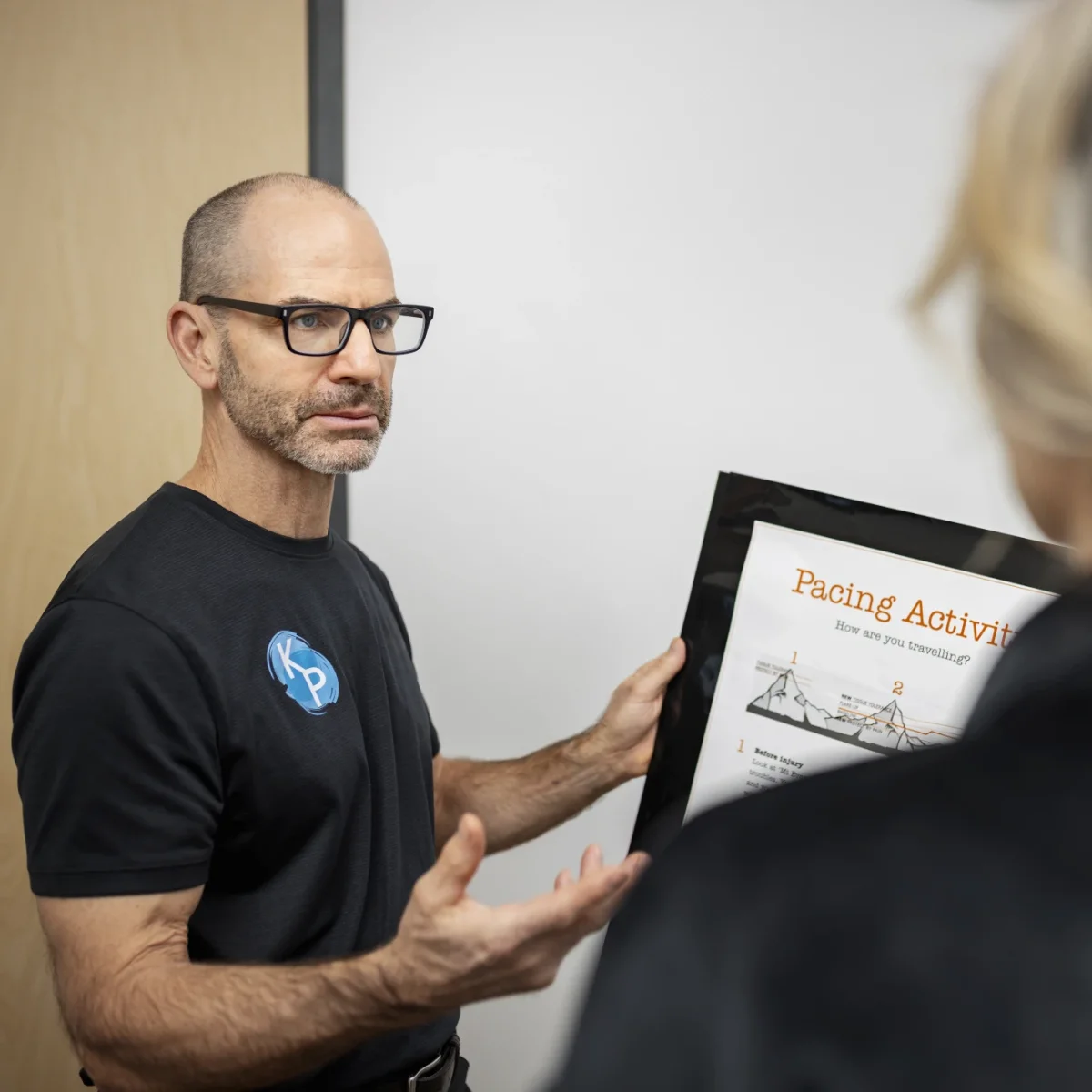
- pacing, breathing, relaxation, and self-management tools
- manual therapy, muscle release, acupuncture, or dry needling when appropriate
- exercises to improve strength, mobility, and tolerance
- strategies for managing flare-ups
- coordination with other health practitioners when helpful
What to expect
Your first appointment will include a detailed conversation about your symptoms, health history, goals, and how pain is affecting your day-to-day life. Your physiotherapist will complete a physical assessment and talk through what they are finding.
From there, treatment is built around your goals and your current capacity. For some people, that may start with gentle movement and education. For others, it may include hands-on care, progressive exercise, or strategies to manage specific triggers and flare-ups.
Meet your team
The following 3 practitioners are here to help you with Chronic Pain Management. Click on their names to read more about each practitioner’s background and education.