
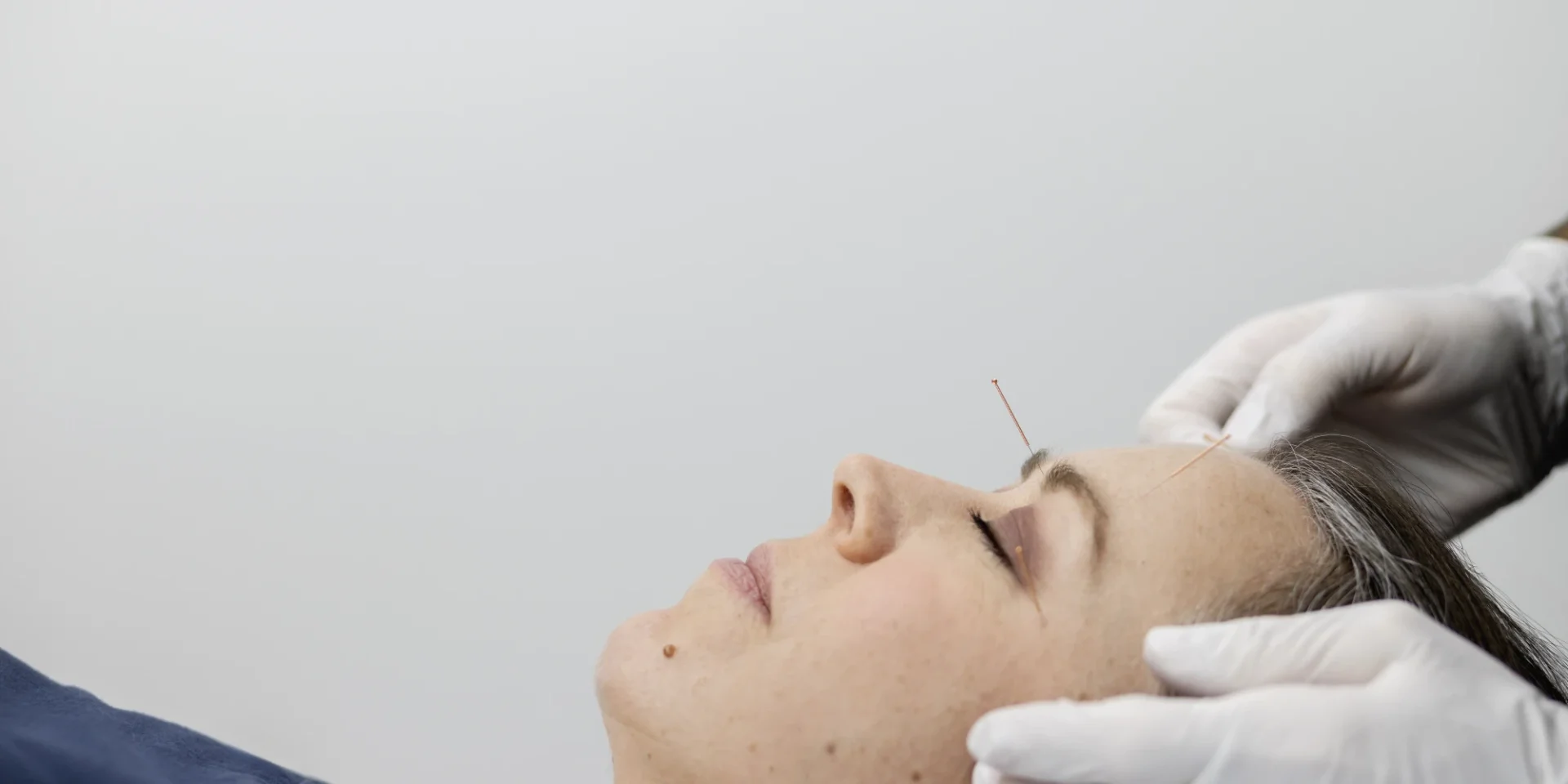
Neuro-Anatomical Acupuncture
Neuro-anatomical acupuncture is used by trained physiotherapists to stimulate specific acupuncture points related to nerves, muscles, and joints. It may be considered as part of a physiotherapy treatment plan for pain, muscle tension, and movement-related concerns.
Neuro-anatomical acupuncture uses thin, solid needles placed at specific points of the body. In physiotherapy, the technique is guided by anatomy, the nervous system, traditional acupuncture points, and the problem being addressed.
Acupuncture may be used to support pain management, reduce sensitivity, or make movement more comfortable as one part of a broader physiotherapy plan. Responses vary, and your physiotherapist will monitor whether the technique is helping you work toward your goals.
Physiotherapists who provide this type of needling complete additional education after their entry-to-practice physiotherapy training. In British Columbia, they must also meet their professional regulator’s requirements and receive authorization for the applicable certified practice.
Training may include online study, in-person practical instruction, and written and practical examinations. Acupuncture Canada is one recognized education provider, although practitioners may complete different approved programs.
Who it’s for
Neuro-anatomical acupuncture may be used to support care for concerns such as:
acute muscle and joint pain
chronic pain
headaches
jaw or TMD-related symptoms
muscle tension or guarding
movement-related pain
When it may be considered
Your physiotherapist may consider acupuncture when pain, muscle tension, headaches, jaw discomfort, or movement limitations are part of your presentation.
Acupuncture is not used the same way for every person and is not appropriate for every person or every situation. Certain medications, medical conditions, pregnancy-related considerations, or comfort levels may affect whether it is recommended.
Your physiotherapist will assess your symptoms, health history, goals, and comfort level before recommending acupuncture.
Of course, you can decline acupuncture or stop treatment at any time. If it is not the right fit, your physiotherapist can discuss other options that may support your care.

What to expect
Before treatment, your physiotherapist will explain why acupuncture may be appropriate, where the needles may be placed, and what you may feel. You will have the opportunity to ask questions and give consent before proceeding.
During treatment, thin needles are inserted into selected points. You may notice pressure, heaviness, warmth, aching, or a brief sensitive sensation around the needle. Needles are generally left in for several minutes before being removed. Temporary soreness, minor bruising, or a small amount of bleeding can sometimes occur. Your physiotherapist will explain relevant risks and precautions before treatment.
After treatment, your physiotherapist will monitor your response and adjust the treatment plan based on your comfort and how your symptoms respond.
How is acupuncture billed?
When acupuncture is provided as part of treatment by a physiotherapist at this clinic, the appointment is billed as physiotherapy rather than as a visit to an acupuncturist. Extended-health coverage varies by plan. If you are unsure whether your appointment will be reimbursed, check with your insurer before booking.
Meet your team
The following 3 practitioners are here to help you with Neuro-Anatomical Acupuncture. Click on their names to read more about each practitioner’s background and education.