
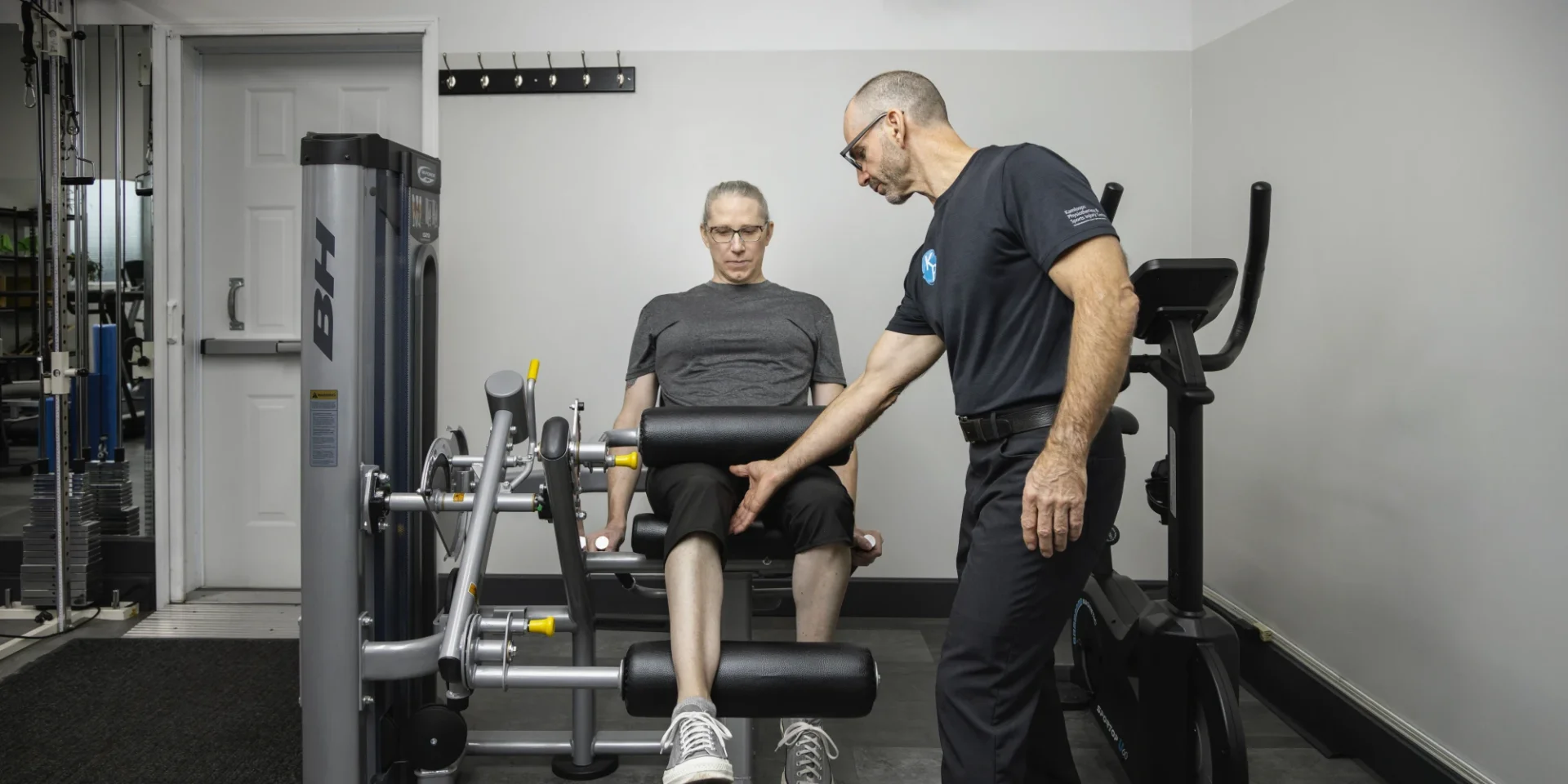
Physio-Guided Exercise Rehab
Physiotherapist-guided exercise rehabilitation can help restore strength, mobility, balance, and confidence after injury, surgery, pain, or a change in function.
Physiotherapist-guided exercise is often an important part of physiotherapy care. It may be recommended when you are recovering from an injury, managing pain, preparing for or recovering from surgery, returning to work or sport, or trying to move with more confidence in daily life.
Your physiotherapist will use your assessment to understand what needs to change, what may be contributing to the problem, and how exercise fits into your treatment plan.
Based on your assessment, symptoms, goals, and current capacity, your plan may start gently and progress over time as your body adapts.
Your physiotherapist will explain why each exercise has been selected and adjust the plan as your symptoms, strength, and confidence change.
Who it’s for
Physiotherapist-guided exercise may be helpful if you are:
recovering from an injury or surgery
managing pain or stiffness that affects movement
rebuilding strength or endurance after reduced activity
working on balance or reducing your risk of falling
returning to work, sport, exercise, or daily activities
looking for guidance on exercise selection, technique, or progression
Treatment may include
Your physiotherapist will build an exercise plan based on your assessment, symptoms, goals, and current ability. Treatment may include:
- strengthening and endurance exercises
- mobility and flexibility work
- balance and coordination training
- core control and stability exercises
- movement pattern retraining
- gradual loading of injured or sensitive tissues
- exercises tailored to work, sport, or daily activities
- pre-surgical preparation or post-surgical rehabilitation
- a home exercise program with guidance on technique and progression
Exercise may also be combined with hands-on treatment, education, taping or bracing, or other physiotherapy strategies when appropriate.
What to expect
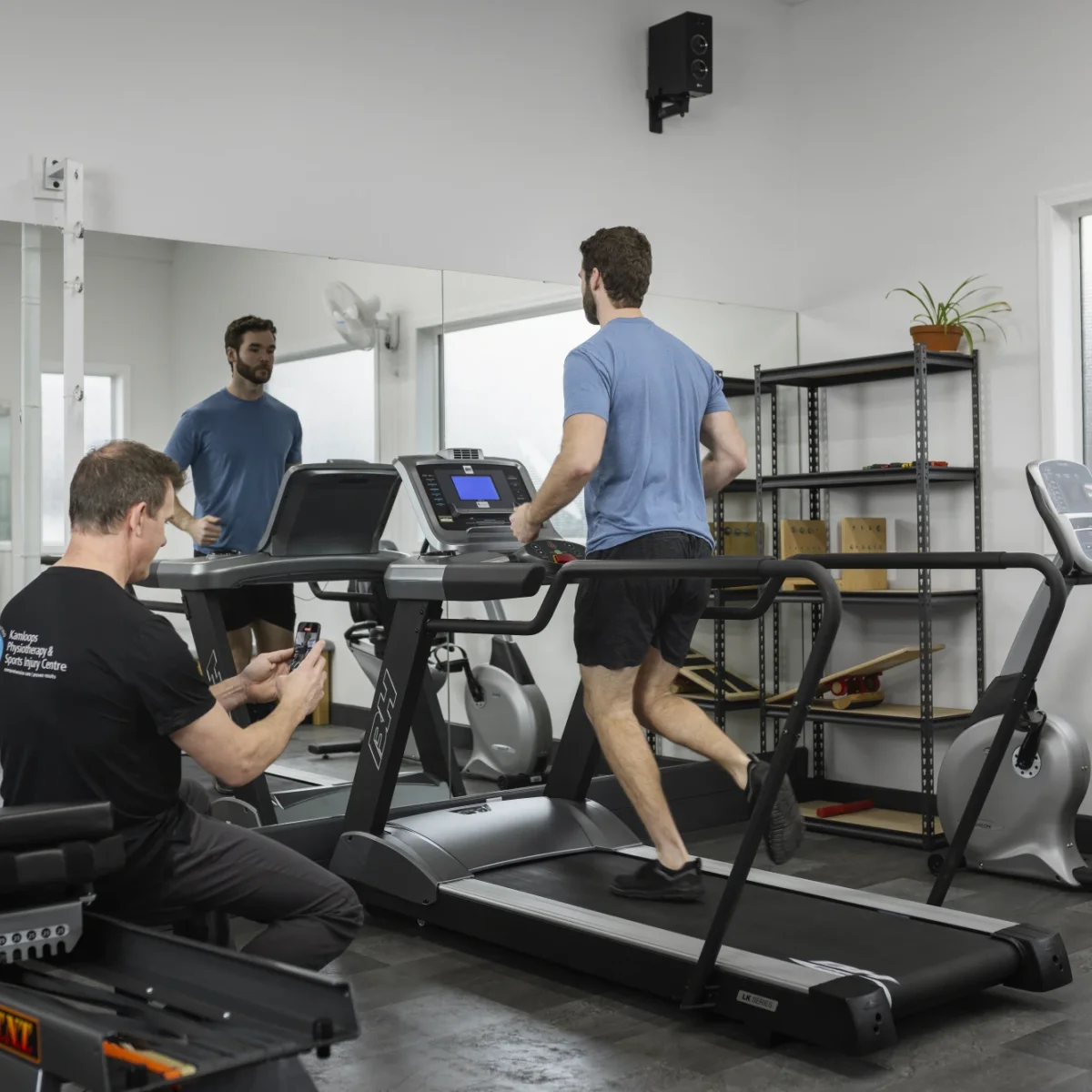
Your physiotherapist will start by reviewing your symptoms, health history, goals, and how the issue is affecting your life. They will assess movement, strength, mobility, balance, or other relevant factors.
From there, they will explain what they are finding and build an exercise plan that fits your current needs. You may begin exercises during your first visit, and your plan can be adjusted as your symptoms, strength, and confidence change.
The goal is to help you move better, understand what you are working on, and build a practical path back to the activities that matter to you.
How physiotherapy fits with kinesiology
The two services often work together. Your physiotherapist may guide the overall rehab plan, while kinesiology sessions provide additional support with exercise progression and confidence.
Physiotherapy is usually the starting point when you need assessment, diagnosis, pain or injury management, or a treatment plan for a specific problem. Kinesiology may be recommended when you need more time, coaching, and supervision to practise exercises, build strength, improve conditioning, or progress a movement program over time.
Meet your team
The following 10 practitioners are here to help you with Physiotherapist-Guided Exercise Rehabilitation. Click on their names to read more about each practitioner’s background and education.