Manual Therapy
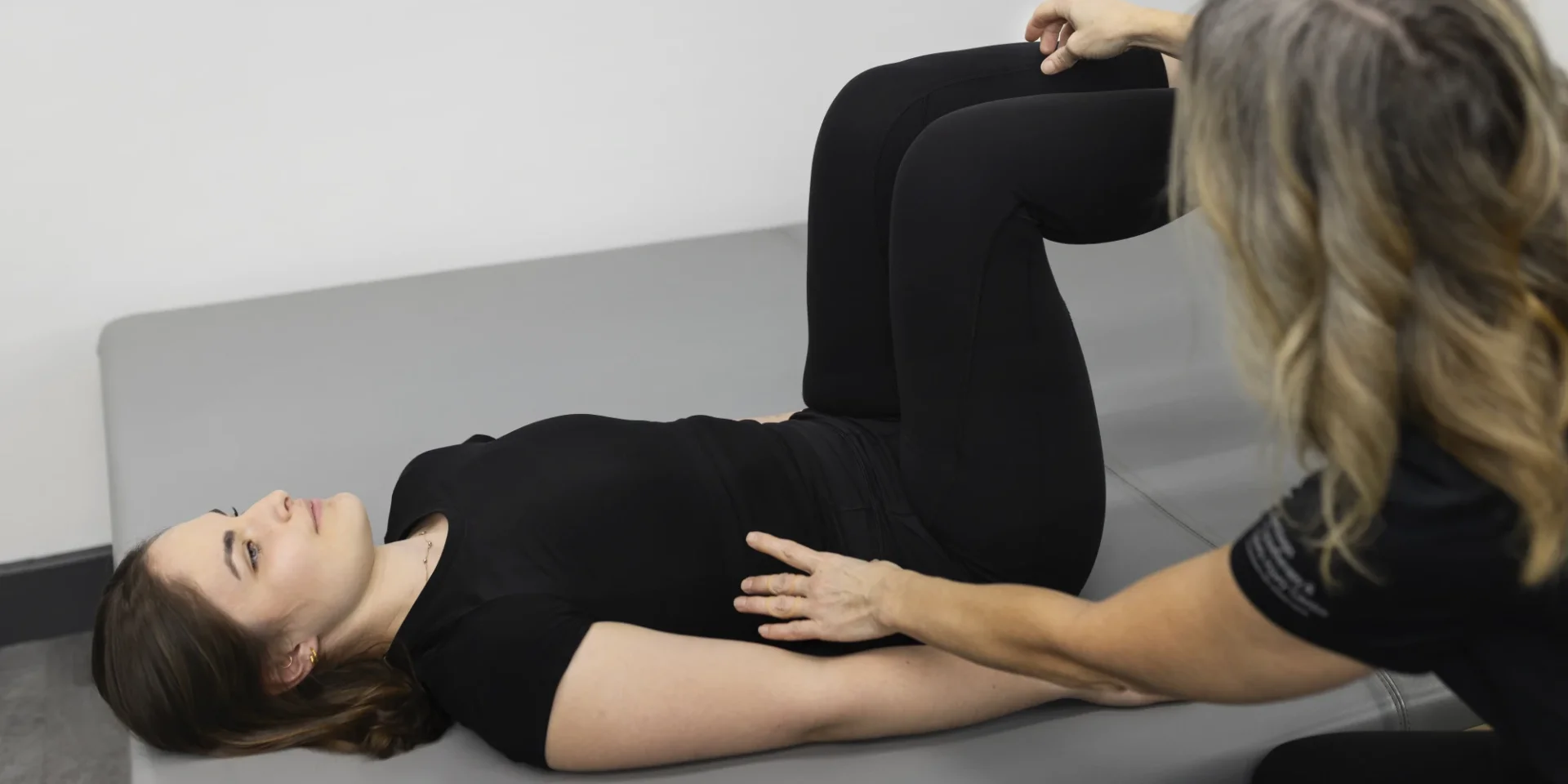
Manual therapy uses skilled, hands-on techniques to assess and treat joints, muscles, ligaments, nerves, and movement restrictions.
Manual therapy is a hands-on approach used by physiotherapists to assess and treat movement and joint dysfunction. Your physiotherapist may use it to better understand how a specific area is moving, determine where stiffness or sensitivity may be present, and how that relates to your symptoms.
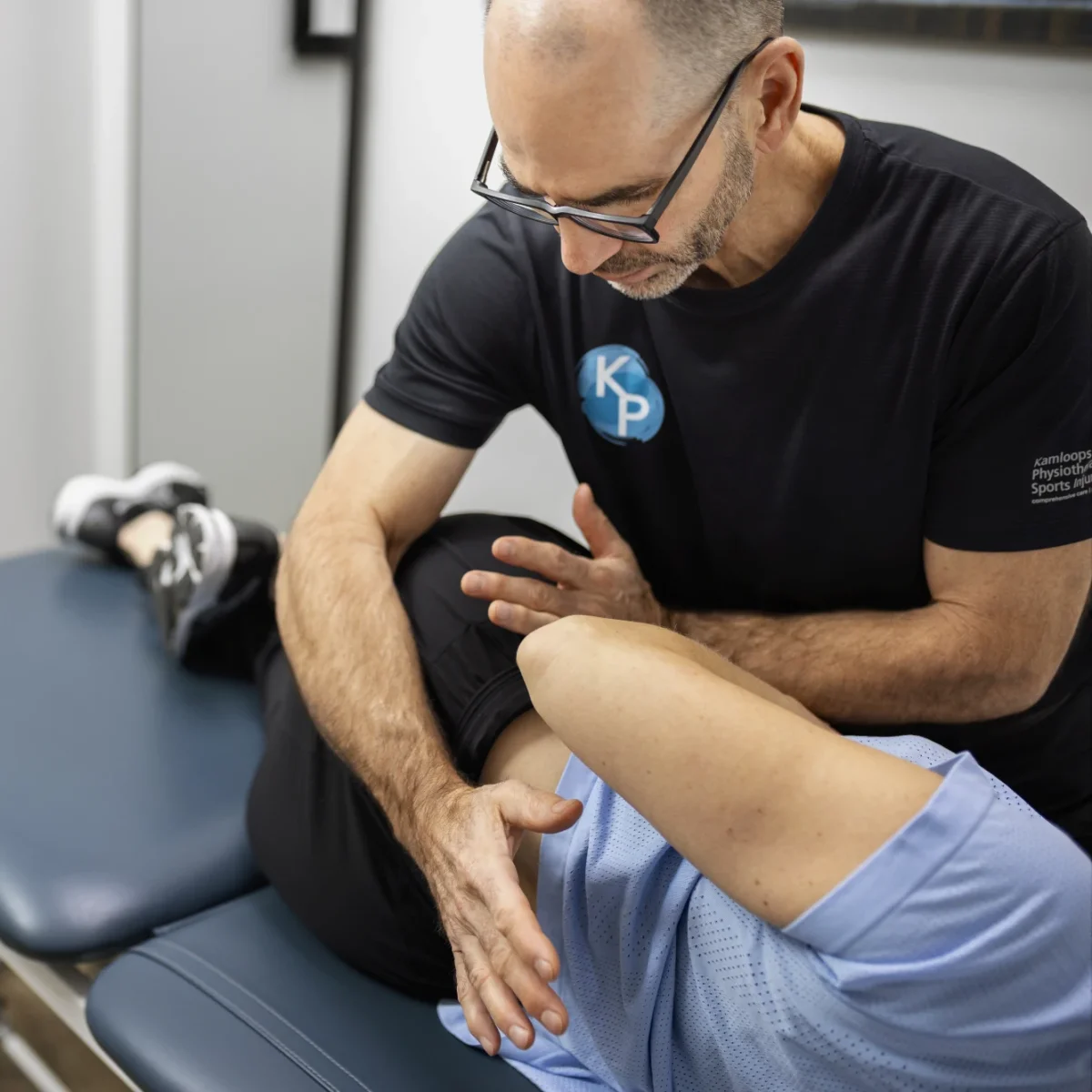
Depending on your assessment, manual therapy treatment may include joint mobilization or manipulation, soft tissue techniques, muscle release, neural mobilization, or other hands-on techniques.
Who it’s for
Manual therapy may be considered for concerns such as:
joint stiffness or restricted movement
muscle tightness or sensitivity
pain affecting movement
difficulty moving comfortably during daily tasks
movement limitations affecting work or sport
stiffness that makes prescribed exercises difficult
Your physiotherapist will assess whether hands-on treatment fits your care plan.
How manual therapy fits in your care plan
Manual therapy is one treatment option and is generally not used in isolation. It may be combined with exercise, movement retraining, education, pacing strategies, posture or ergonomic advice, and return-to-work or return-to-sport planning.
Your physiotherapist will select the approaches that fit your assessment and goals, with the aim of helping you move more comfortably and make progress between appointments.
What to expect
Your physiotherapist will start by asking about your symptoms, relevant health history, and treatment goals.
Next, they will observe how you move and perform physical testing to assess your strength and mobility. They will explain the results of the assessment and discuss whether manual therapy may help you work toward your goals.
If manual therapy is appropriate, your physiotherapist will explain the proposed technique and what you should expect to feel. With your consent, they may begin treatment and assess how you respond. Your response will help guide the ongoing use of manual therapy within your care plan.
How physiotherapists are trained
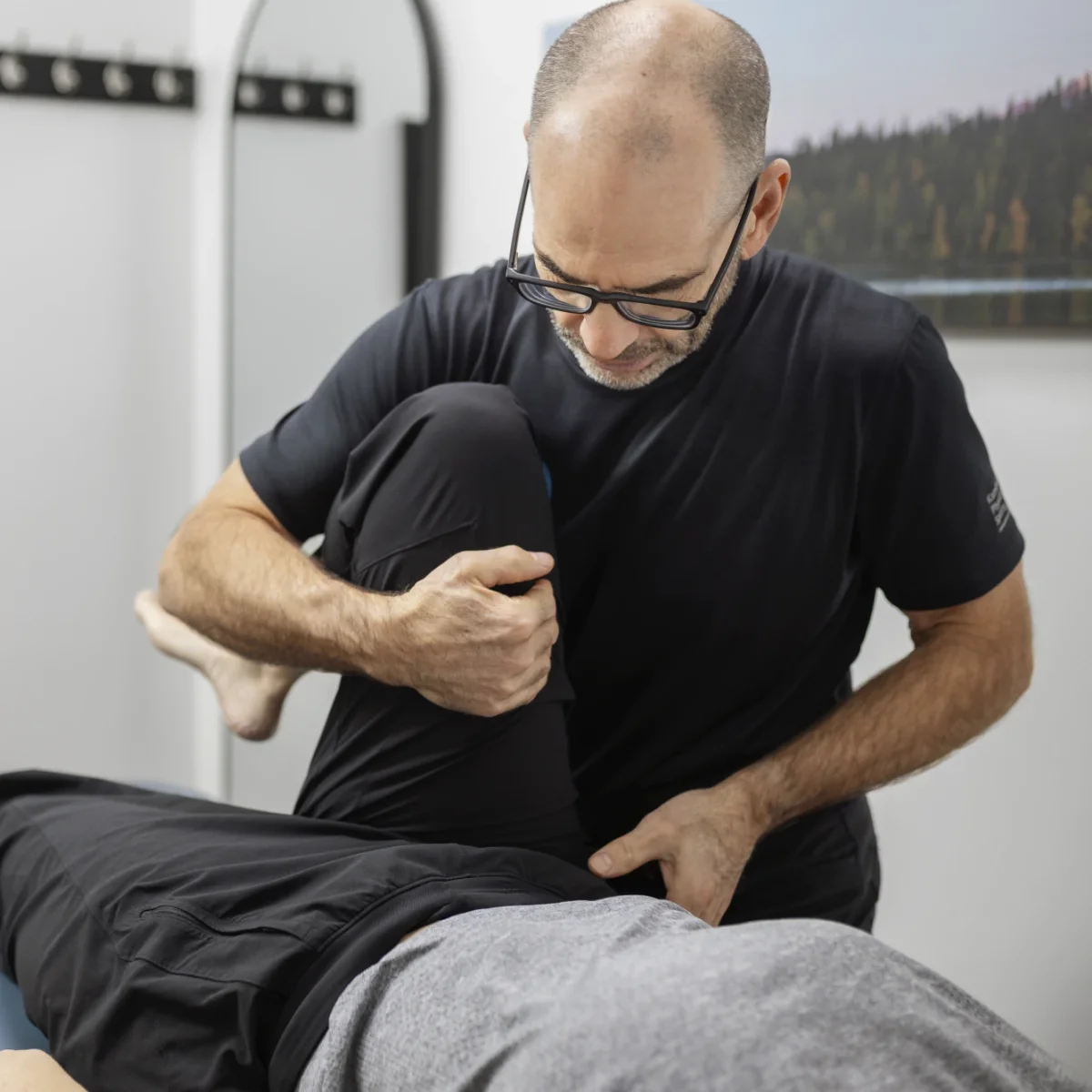
Physiotherapists learn manual therapy assessment and treatment techniques during their university education. Additional postgraduate training is available for physiotherapists who choose to develop advanced skills in manual and musculoskeletal physiotherapy.
The Advanced Integrated Musculoskeletal (AIM) Physiotherapy Program offered by the Orthopaedic Division of the Canadian Physiotherapy Association is one of the Canadian education pathways recognized by the International Federation of Orthopaedic Manipulative Physical Therapists (IFOMPT).
Our physiotherapists have completed different levels of training and examination through this education system. Some have completed Level II or Level III, while many have earned a Diploma of Advanced Integrated Musculoskeletal Physiotherapy and hold the FCAMPT designation as Fellows of the Canadian Academy of Manual and Musculoskeletal Physiotherapists.
Meet your team
The following 10 practitioners are here to help you with Manual Therapy. Click on their names to read more about each practitioner’s background and education.