Sports Injury Rehabilitation
Sports injury rehabilitation helps you recover from sprains, strains, tendon injuries, joint pain, and other activity-related concerns with a plan focused on safe progression and confident return to movement.
Sports injury rehabilitation is a process of understanding the nature of the injury, identifying what may be contributing to it, and building a plan that helps you return to activity safely.
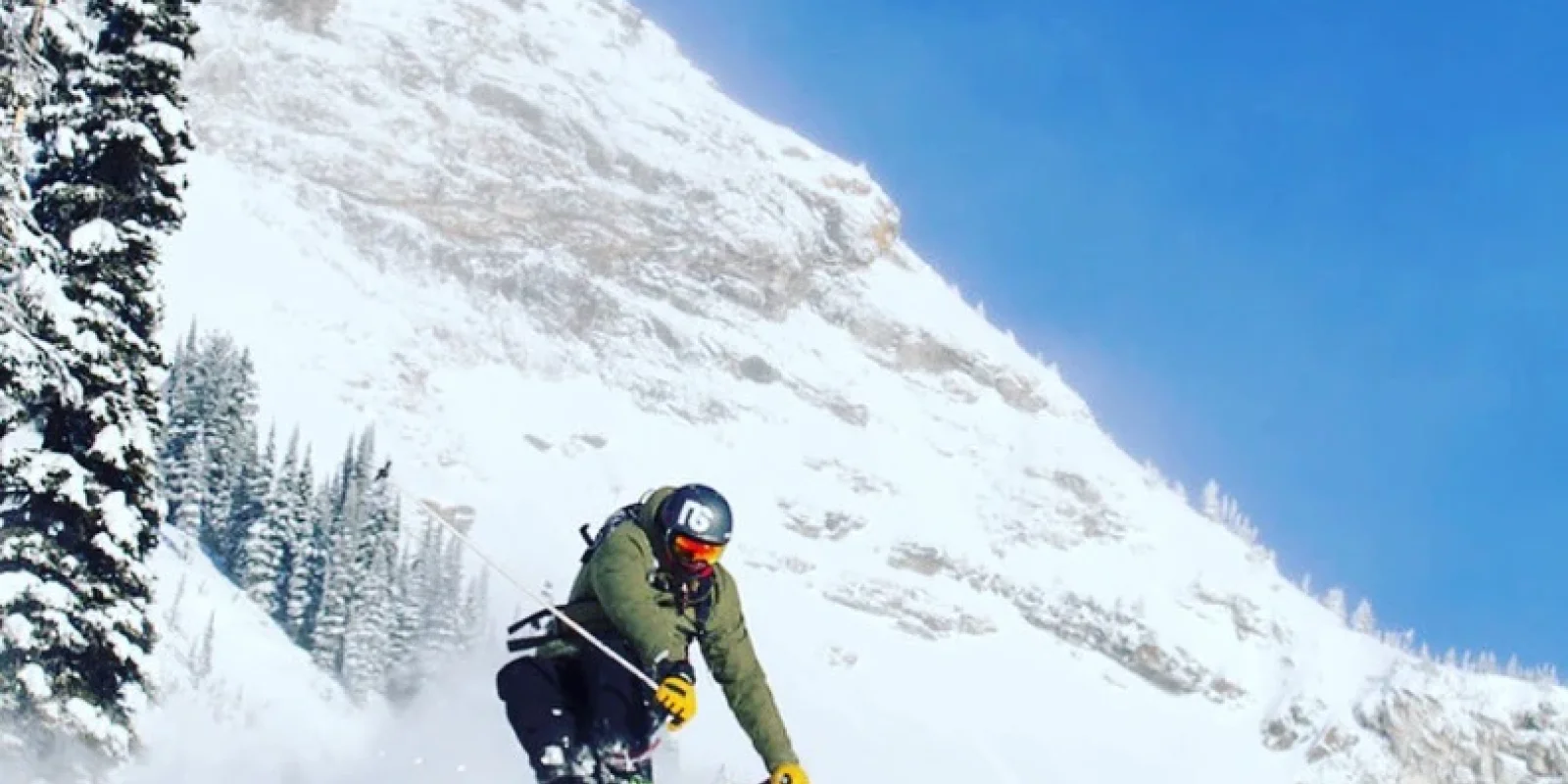
A sports injury does not only affect competitive athletes. Injuries can happen during organized sport, recreation, training, work, or everyday activity. Walking, running, mountain biking, skiing, gym training, and weekend activities can all place different demands on the body.
Incomplete recovery can sometimes leave people with lingering weakness, stiffness, reduced balance, or uncertainty about movement. A structured rehabilitation plan based on thorough assessment by a Sport Physiotherapist can help you rebuild capacity and make clearer decisions about when and how to return.
Who it’s for
Sports injury rehabilitation may help if you are:
recovering from a sprain, strain, tendon injury, or joint injury
dealing with pain that returns when you increase activity
trying to return to sport, training, or recreation
feeling unsure how much activity is safe
noticing weakness, stiffness, imbalance, or reduced confidence after injury
hoping to reduce the chance of re-injury
Treatment may include
Sports injury rehabilitation depends on the injury, stage of healing, and activity goals. Your treatment plan may include:
- education about the injury and recovery process
- exercises to restore strength, mobility, balance, and control
- gradual loading and activity progression
- manual therapy when appropriate
- movement retraining
- sport-specific preparation
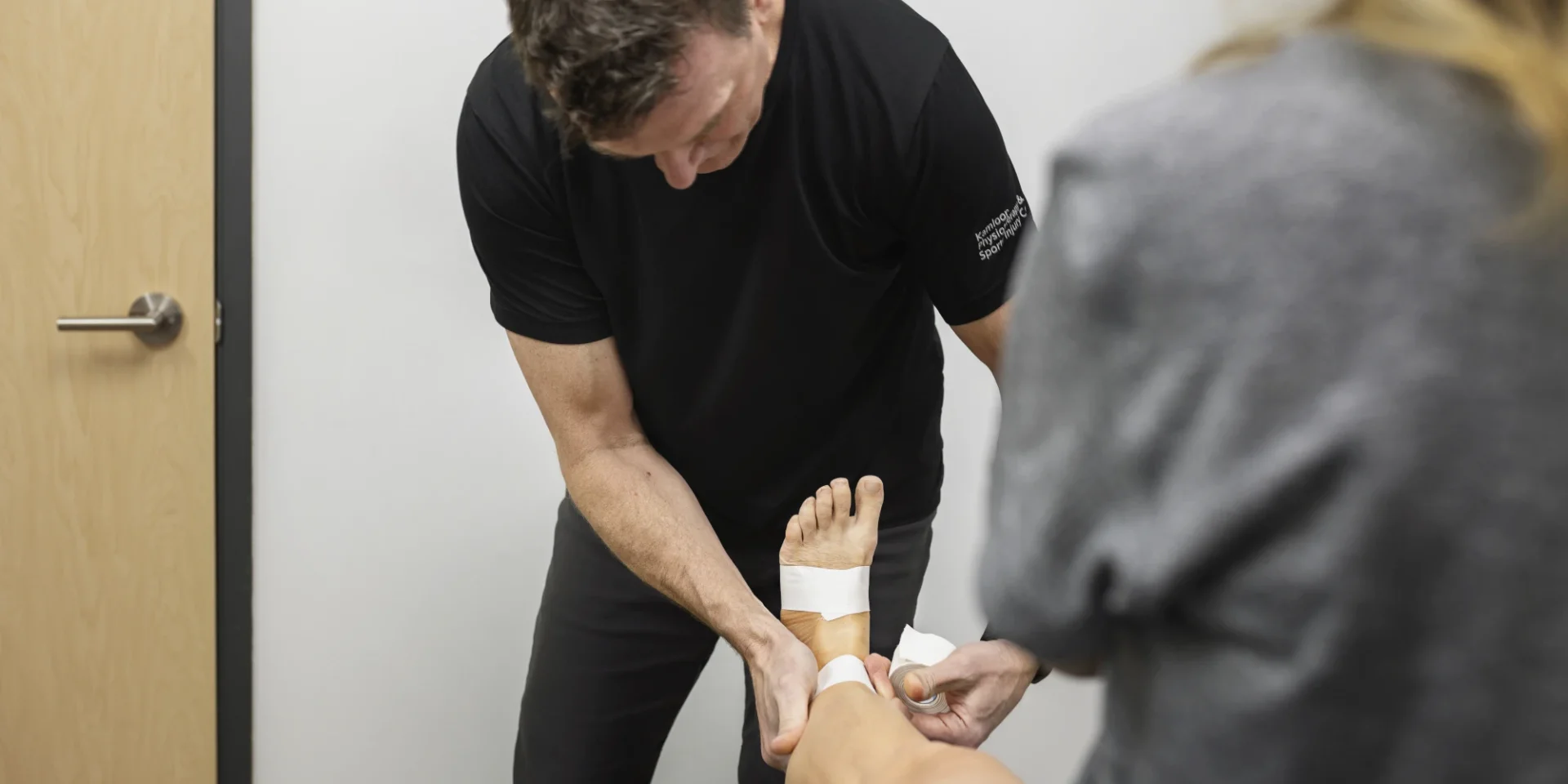
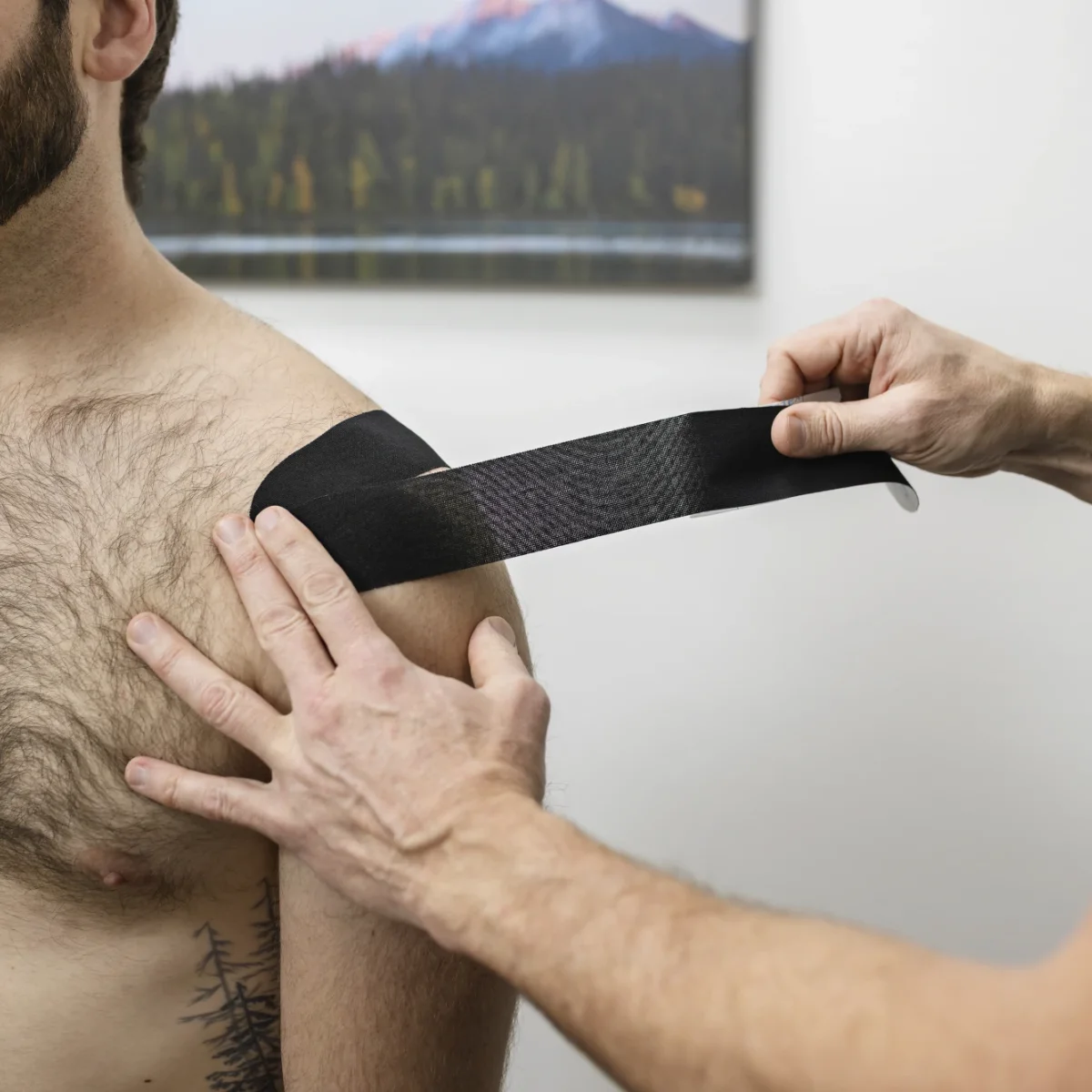
- taping, bracing, or support strategies when useful
- guidance on return to training, sport, or recreation
- strategies to address factors that may contribute to re-injury
Rehabilitation is usually progressed in stages. What you do early in recovery may look different from what you need later as you return to higher levels of activity.
What to expect
Your first visit will begin with a conversation about the injury, your symptoms, your usual activity level, and what you are hoping to return to. Your physiotherapist may assess strength, range of motion, mobility, balance, movement control, sport-specific movements, and how the injured area responds to loading.
They will explain what they are finding and how it relates to your recovery. The assessment may also consider changes in training, movement habits, or other factors that could be affecting your symptoms.
Treatment may begin during the first session and could include exercises, hands-on treatment, education, or guidance about activity. As you improve, your plan will progress toward rebuilding strength, movement, and confidence for the specific demands of your sport or activity.
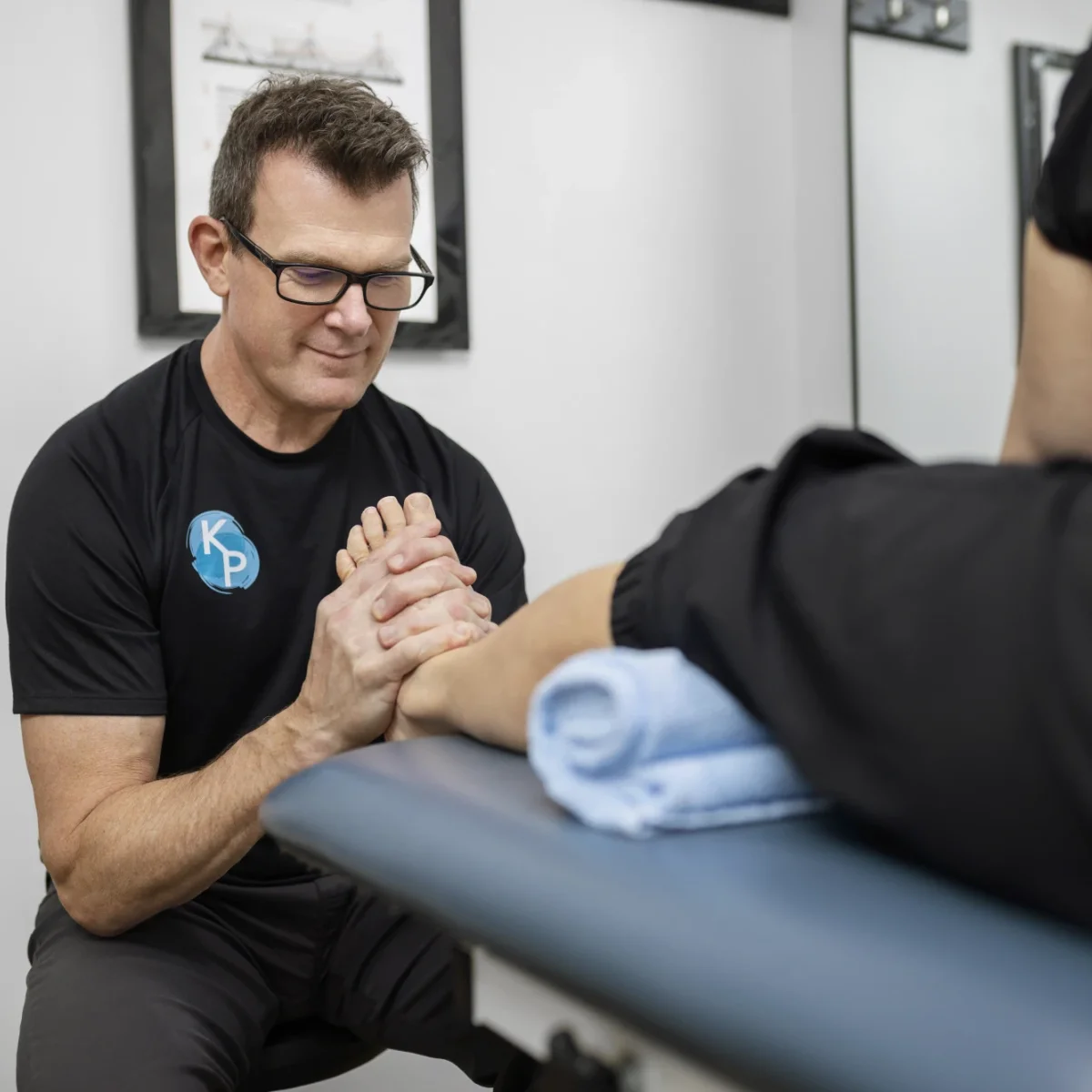
What is a Sport Physiotherapist?
Sport Physiotherapy Canada offers postgraduate credentials for physiotherapists who want advanced education and experience in sport physiotherapy. The pathway includes Certificate and Diploma levels and combines coursework, clinical and on-field sport experience, mentorship, first responder certification, and written and practical examinations.
A Sport Physiotherapist has completed the Diploma in Sport Physiotherapy. This training prepares them to support active people and athletes in both clinical and sport settings, from initial injury assessment through rehabilitation and return to participation.
Credential holders must also maintain their credentials through ongoing professional development.
Meet your team
The following 2 practitioners are here to help you with Sports Injury Rehabilitation. Click on their names to read more about each practitioner’s background and education.