Post-Concussion Rehabilitation
Concussion symptoms can affect work, school, sport, exercise, screen time, sleep, and everyday activity. Rehabilitation focuses on understanding your symptoms and helping you return to activity gradually and safely.
Post-concussion rehabilitation is designed for people recovering after a concussion. A concussion can affect multiple systems in the body and may cause a range of symptoms.
Some people recover quickly after a concussion, while others continue to experience symptoms that make daily life difficult to manage.
Concussion-related symptoms can be frustrating, especially when they change from day to day. A careful assessment can help identify what may be contributing to your symptoms — and what kind of support may help.
Who it’s for
Concussion-related symptoms may include:
headaches or pressure in the head
dizziness, vertigo, or balance problems
nausea
motion sensitivity
neck pain or stiffness
light or sound sensitivity
fatigue
poor sleep
difficulty concentrating
vision strain or trouble with screens
feeling worse with physical or cognitive activity
Treatment may include
Your treatment depends on your symptoms and assessment findings. It may include:
- education about concussion recovery and symptom management
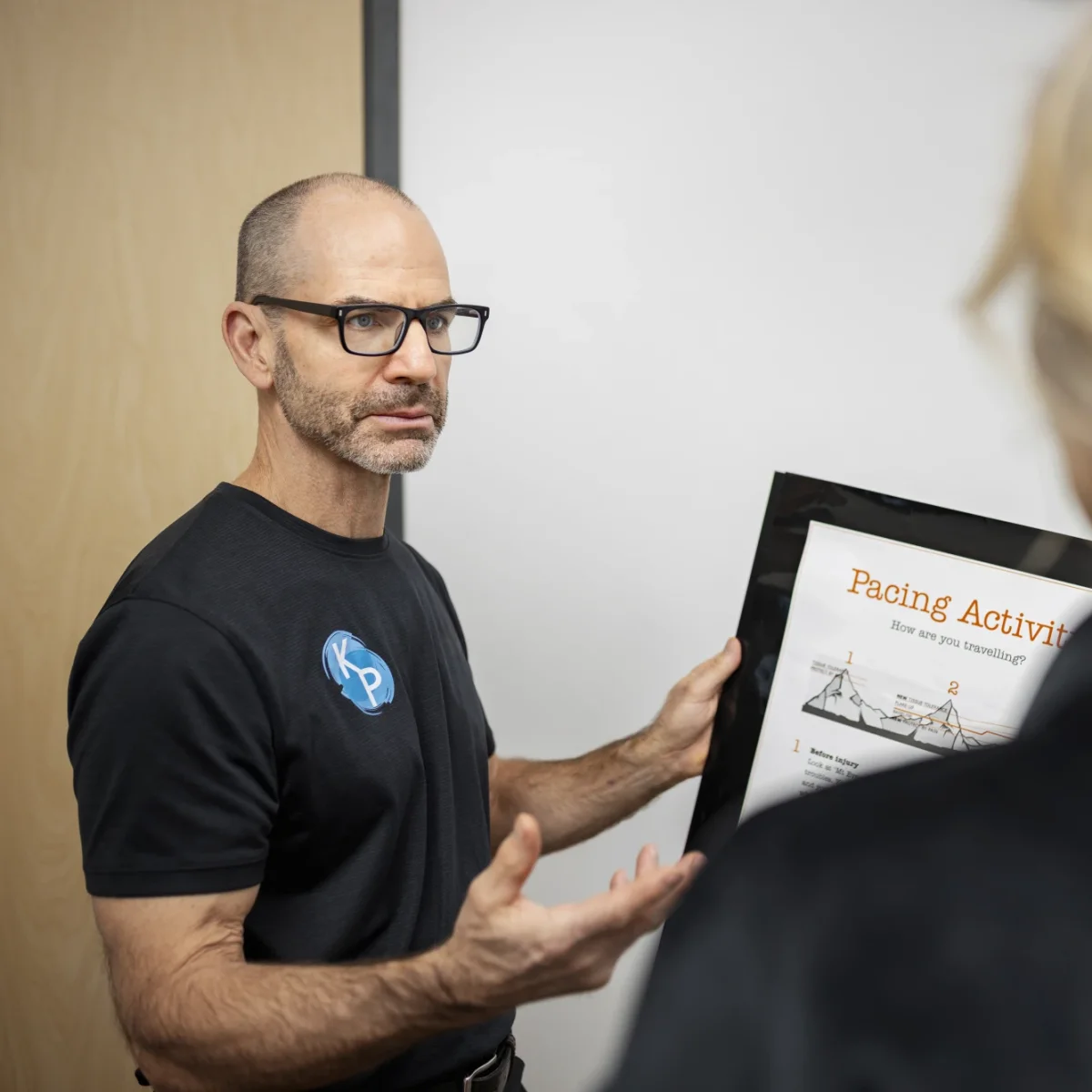
- guidance on relative rest, pacing, and gradual return to activity
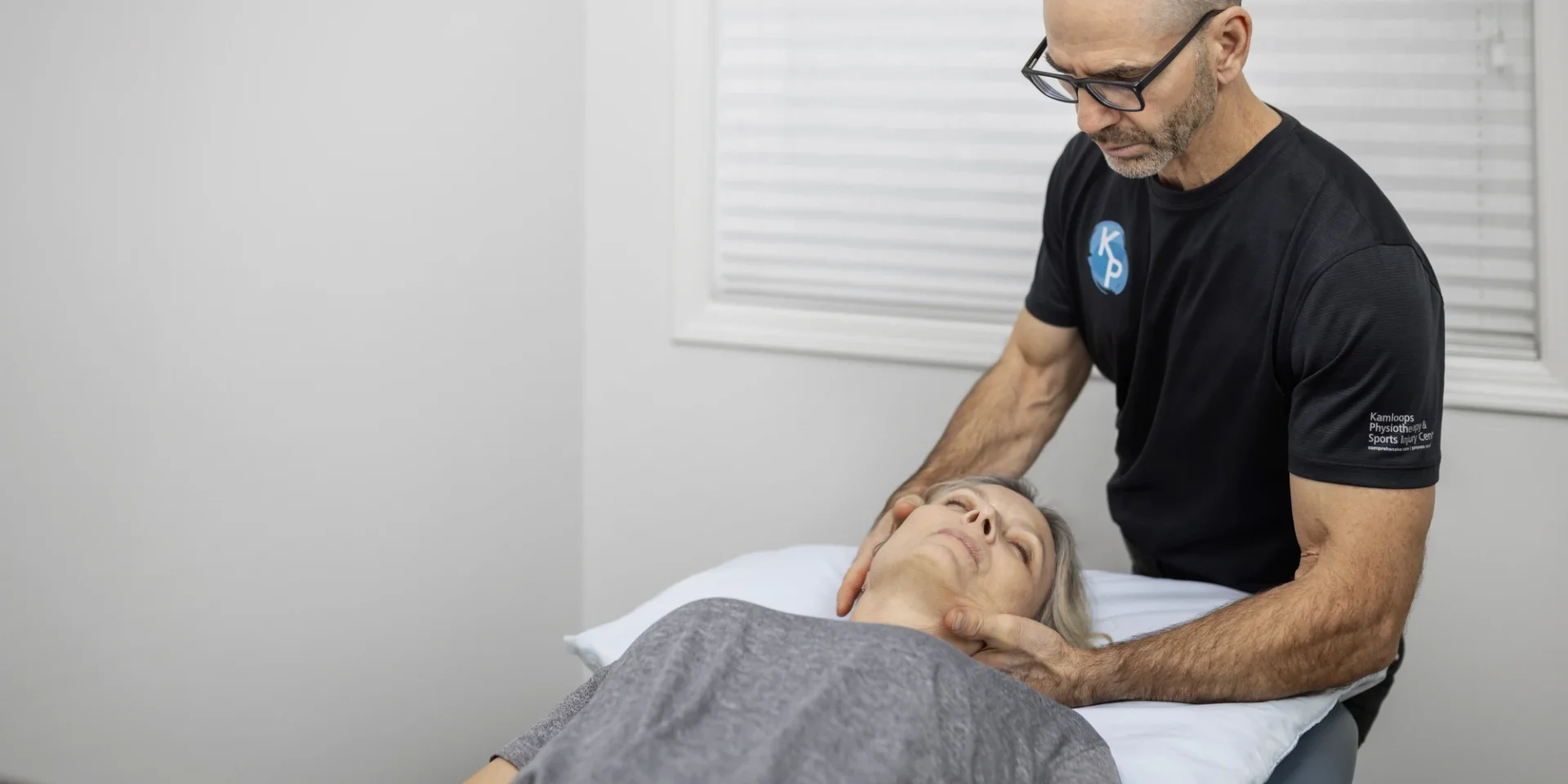
- neck treatment or exercises when neck pain is contributing
- vestibular rehabilitation for dizziness, vertigo, or balance concerns
- vision exercises
- gradual aerobic exercise progression
- return-to-school, work, sport, or daily activity planning
- strategies for managing screen time, light sensitivity, and symptom fluctuations
Rehabilitation is usually progressed step-by-step. Your physiotherapist will help you understand what to work on, what to monitor, and when to adjust the plan.
What to expect
Your first visit includes a conversation about how the concussion happened, symptoms you are experiencing, and how they are affecting school, work, exercise, sport, or daily life. Your physiotherapist may assess your neck, balance, eye and head movements, vestibular function, exercise tolerance, and how your symptoms respond to activity.
After the assessment, your physiotherapist will explain what may be contributing to your symptoms and recommend a plan suited to your current stage of recovery.
You will receive guidance on what to work on, what symptoms to monitor, and how to begin returning to activity at an appropriate pace.
Concussion recovery is not always linear, so your plan may change as your symptoms and activity tolerance improve or fluctuate. If your assessment indicates that additional medical care may be appropriate, your physiotherapist will help you understand the next step.
When to seek urgent medical care
After a recent head injury, call 9-1-1 if symptoms include loss of consciousness, a seizure, repeated vomiting, increasing confusion, weakness or tingling, double vision, a severe or worsening headache, or declining alertness. These symptoms may indicate a more serious head or neck injury.
Meet your team
The following 3 practitioners are here to help you with Post-Concussion Rehabilitation. Click on their names to read more about each practitioner’s background and education.