
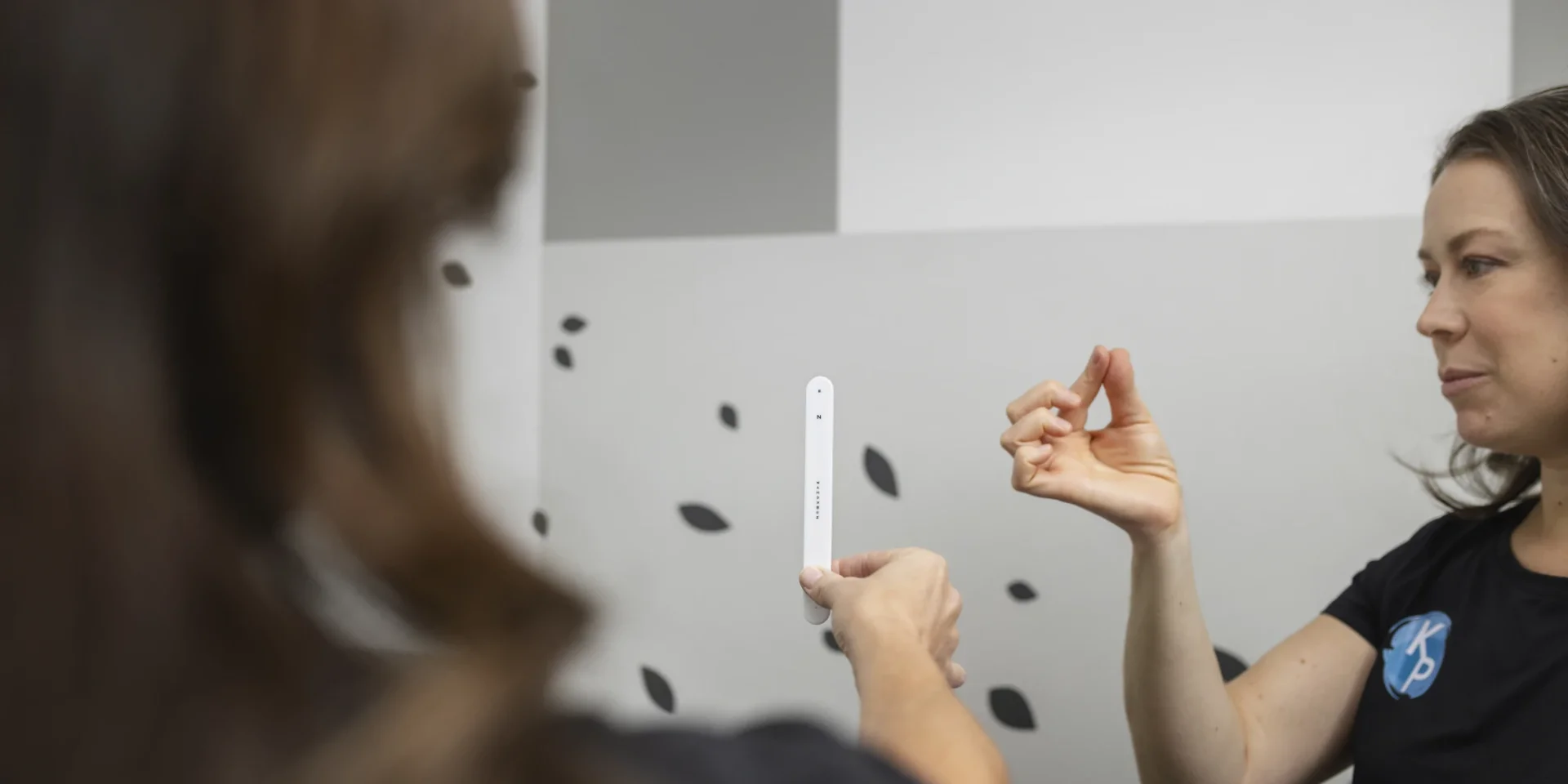
Vestibular Rehabilitation
Vestibular rehabilitation helps address dizziness, vertigo, balance problems, and motion sensitivity with care that is specific to how your symptoms are affecting daily life.
Vestibular rehabilitation is a form of physiotherapy for certain problems involving dizziness, vertigo, balance, vision during movement, and motion sensitivity.
People experience dizziness in different ways. Some feel spinning or a false sense of movement, known as vertigo. Others feel unsteady, sensitive to motion, visually overwhelmed, or worried about falling. These symptoms can affect walking, exercise, work, driving, and movement through busy environments.
Because dizziness has many possible causes — and not all of them involve the vestibular system — the first step is understanding what may be contributing to your symptoms.
Ringing in the ears may occur alongside some vestibular conditions, but tinnitus on its own is not treated with vestibular rehabilitation. If tinnitus or hearing changes are your main concern, medical or hearing assessment may be more appropriate.
Who it’s for
Vestibular rehabilitation may be helpful when symptoms involve:
any dizziness or vestibular-related issues
unsteadiness, balance problems, or falls
vertigo or motion sensitivity
blurred or unstable vision with head movement
nausea related to movement
difficulty moving through busy or visually complex environments
dizziness or balance problems following concussion or whiplash
symptoms related to vestibular migraine
Persistent Postural-Perceptual Dizziness (PPPD)
Mal de Débarquement Syndrome (MdDS)
Treatment may include
Your treatment plan will depend on your symptoms and assessment findings. Vestibular rehabilitation may include:
- repositioning manoeuvres for BPPV
- balance and walking exercises
- gaze-stabilization exercises
- graded exercises for motion or visual sensitivity
- neck treatment or mobility exercises when the neck may be contributing
- education about dizziness, triggers, pacing, and symptom management
- guidance for gradually returning to work, sport, exercise, and daily activities
Treatment is usually progressed gradually. Your physiotherapist will help you understand which symptoms may be expected during rehabilitation, what to monitor, and when your program should be adjusted.
What to expect
Your first visit will include a detailed conversation about when your symptoms began, what they feel like, what brings them on, and how they affect your daily life. Your physiotherapist will also ask about your health history, medications, previous injuries, falls, and any hearing, vision, neck, or concussion-related concerns.
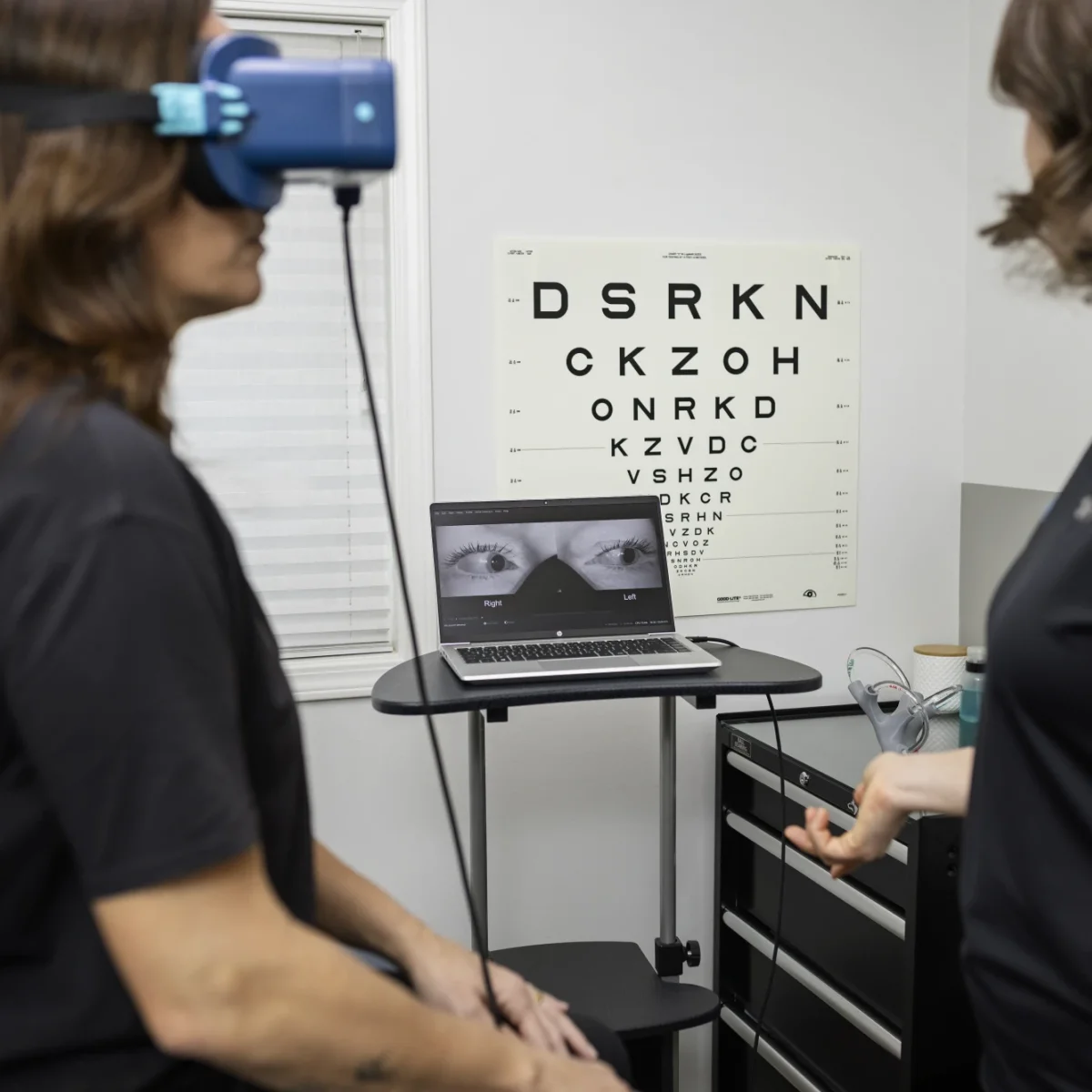
Depending on your symptoms, the assessment may include eye and head movements, positional testing, balance, walking, neck movement, and your response to motion. Some tests may temporarily reproduce dizziness. Your physiotherapist will explain each test and can pause or adjust it based on how you respond.
Afterwards, your physiotherapist will explain what they are finding and whether vestibular rehabilitation appears appropriate. You may begin treatment during the first visit or receive exercises and strategies to practise at home.
If your presentation suggests that medical, hearing, vision, or another specialist assessment is needed, your physiotherapist will help you understand the appropriate next step.
Conditions and contributing factors we assess
Dizziness and balance symptoms can have many possible causes. Assessment helps determine whether rehabilitation is appropriate and whether medical follow-up may be needed.
Benign paroxysmal positional vertigo (BPPV)
BPPV causes brief episodes of vertigo with particular changes in head position, such as lying down, rolling over in bed, looking up, or bending forward.
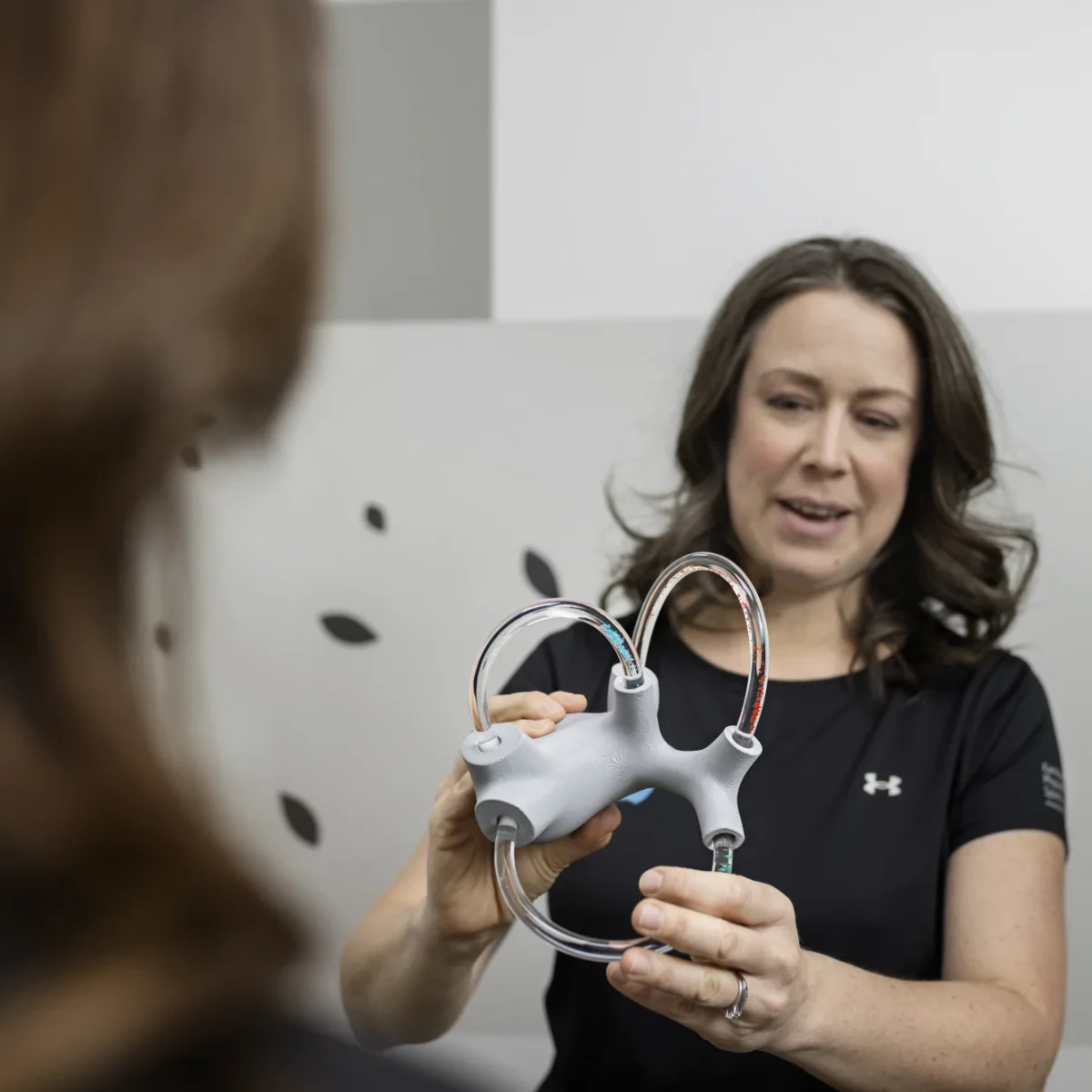
Assessment involves specific positional tests. When BPPV is identified, treatment usually involves a repositioning manoeuvre selected for the affected part of the inner ear. Assessment helps distinguish BPPV from other possible causes of dizziness before treatment.
Dizziness associated with neck pain
Dizziness can sometimes occur alongside neck pain, stiffness, or reduced movement, including after whiplash. This is sometimes called cervicogenic dizziness.
There is no single test that confirms the neck as the cause of dizziness, so vestibular, neurological, medical, and other possible causes need to be considered. When assessment suggests that the neck may be contributing, treatment may address neck movement and related balance or motion symptoms. Cervicogenic dizziness is generally considered a diagnosis of exclusion, and its diagnostic criteria remain debated.
Peripheral vestibular hypofunction
Peripheral vestibular hypofunction occurs when the balance system in one or both inner ears, or the nerves carrying that information to the brain, are not functioning as expected.
It may cause dizziness, unsteadiness, blurred vision with head movement, or an increased risk of falling. Vestibular exercises are used to help the brain adapt and make more effective use of information from the inner ears, eyes, muscles, and joints.
When to seek urgent medical care
Sudden dizziness or loss of balance accompanied by facial drooping, weakness or numbness, difficulty speaking, sudden vision changes, or a sudden severe headache may indicate a medical emergency. Call 9-1-1. Sudden severe hearing loss also requires urgent medical assessment.
Meet your team
The following 2 practitioners are here to help you with Vestibular Rehabilitation. Click on their names to read more about each practitioner’s background and education.