Rehabilitative Ultrasound Imaging (RUSI)
Rehabilitative ultrasound imaging, often called RUSI, uses real-time ultrasound feedback to help assess and retrain how your deep core muscles activate.
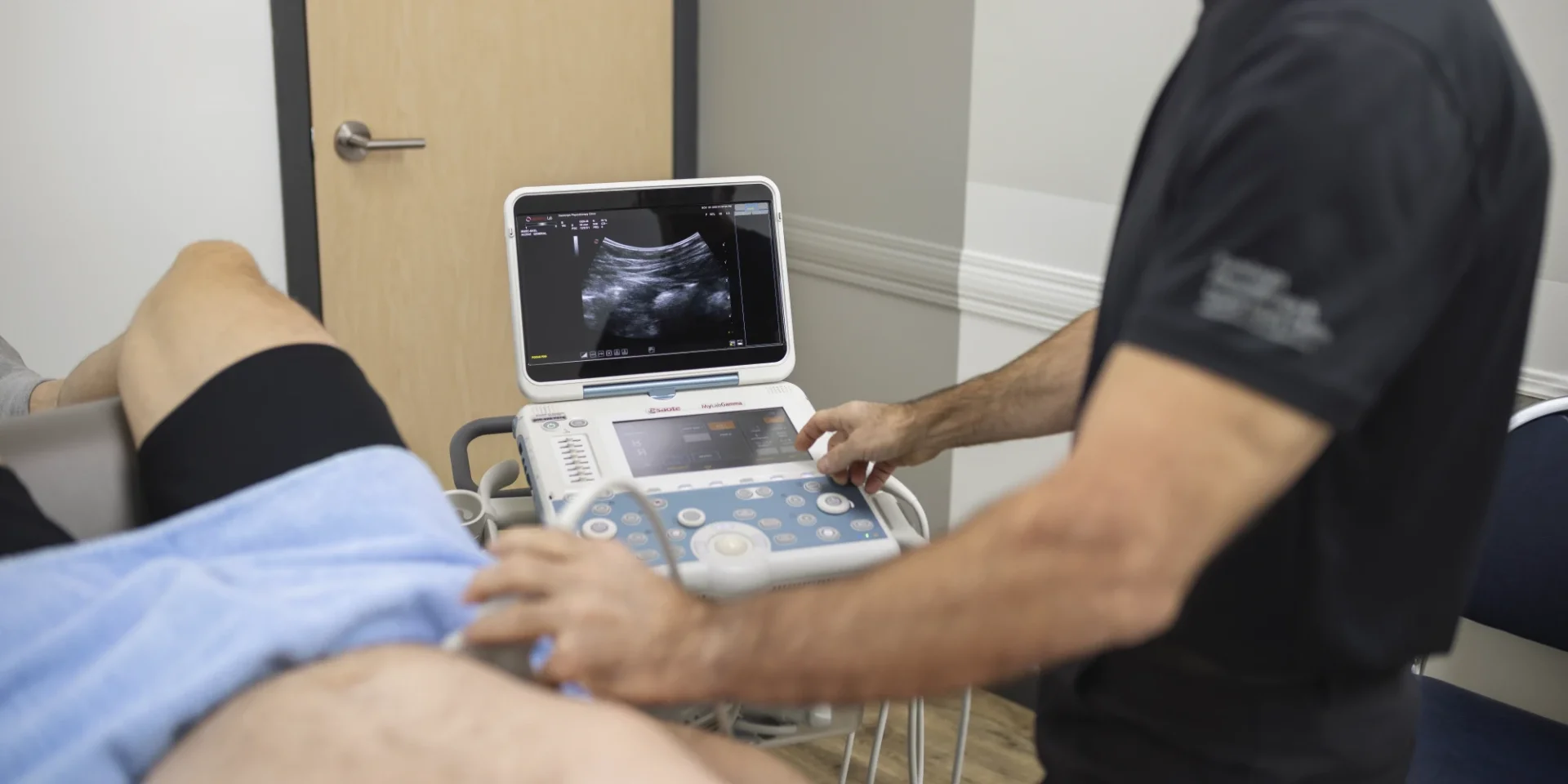
Rehabilitative ultrasound imaging (RUSI) allows you and your physiotherapist to view certain muscles as they contract and relax. RUSI is commonly used to help assess how the deep core muscles are working and to provide visual feedback while you learn how to engage certain muscles.
RUSI is not the same as diagnostic medical imaging. Instead, it is used as a rehabilitative biofeedback tool to help guide muscle activation, movement control, and exercise retraining.
Your physiotherapist will determine whether RUSI is useful based on your assessment and goals.
Who it’s for
Rehabilitative ultrasound imaging is often considered for problems involving:
low back pain
pelvic health
postpartum recovery
core control
movement coordination
difficulty feeling or activating deep abdominal muscles
recovery after injury or pain
When it may be considered
Your physiotherapist may recommend RUSI when they want to better understand how certain muscles are functioning or help you learn how to engage them more effectively.
The deep core includes muscles such as the transversus abdominis, multifidus, pelvic floor, and diaphragm. These muscles work together to support and control movement through the spine and pelvis. Pain, injury, surgery, pregnancy, or prolonged inactivity can affect how these muscles coordinate.
RUSI is usually one part of a broader rehabilitation plan. The visual feedback can help guide your exercises, while practice and gradual progression help carry that control into everyday movement.
What to expect
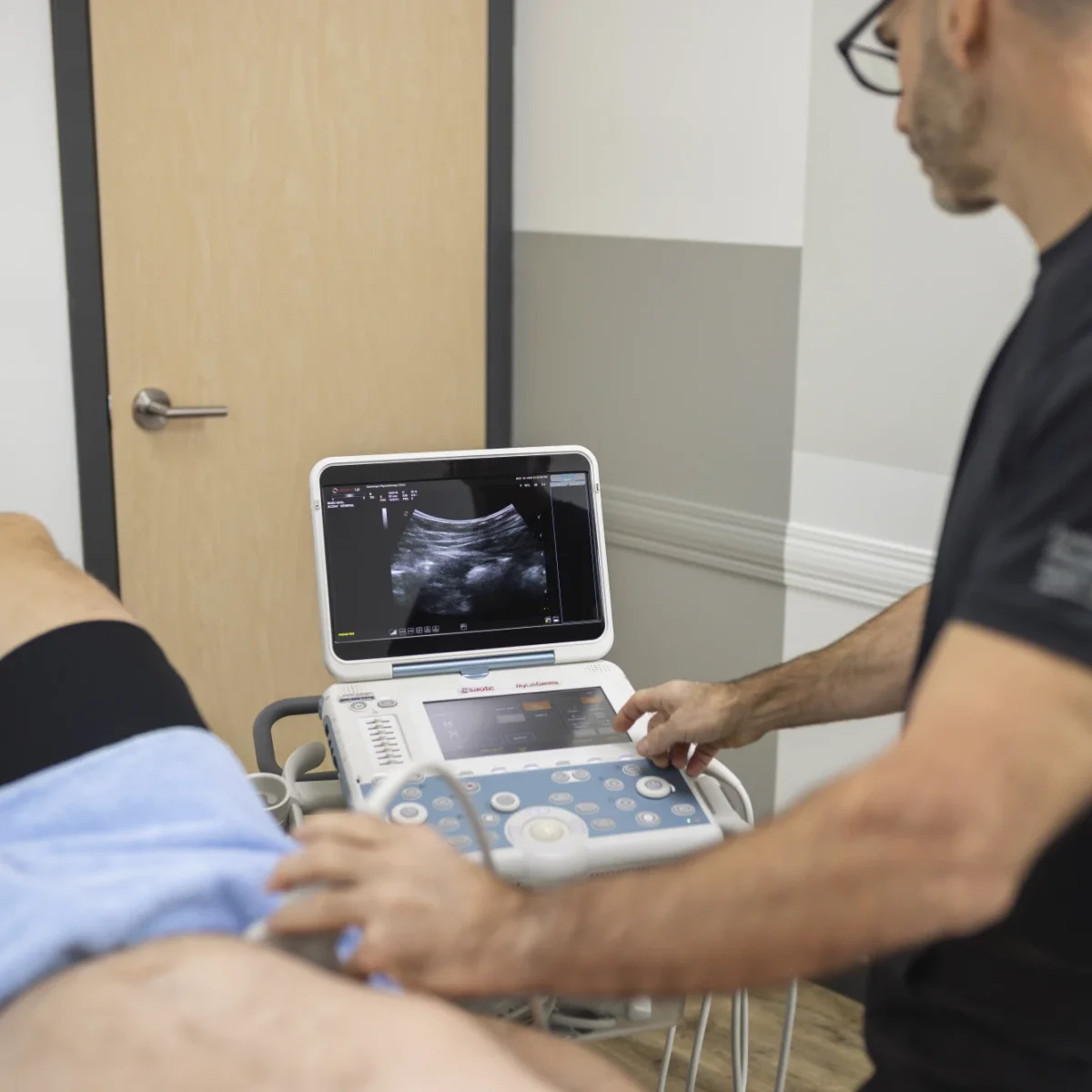
During a RUSI session, your physiotherapist will apply ultrasound gel and place a handheld probe over the area being assessed. You may be asked to breathe, engage certain muscles, change position, or perform gentle movements while viewing the image on a screen.
Your physiotherapist will explain what the image shows and may use different instructions, positions, or movements to help you improve your technique. Your session may also include guided practice, breathing or core exercises, and a home program to continue working on between visits.
Meet your team
The following 10 practitioners are here to help you with Rehabilitative Ultrasound Imaging (RUSI). Click on their names to read more about each practitioner’s background and education.