Dry Needling (IMS)
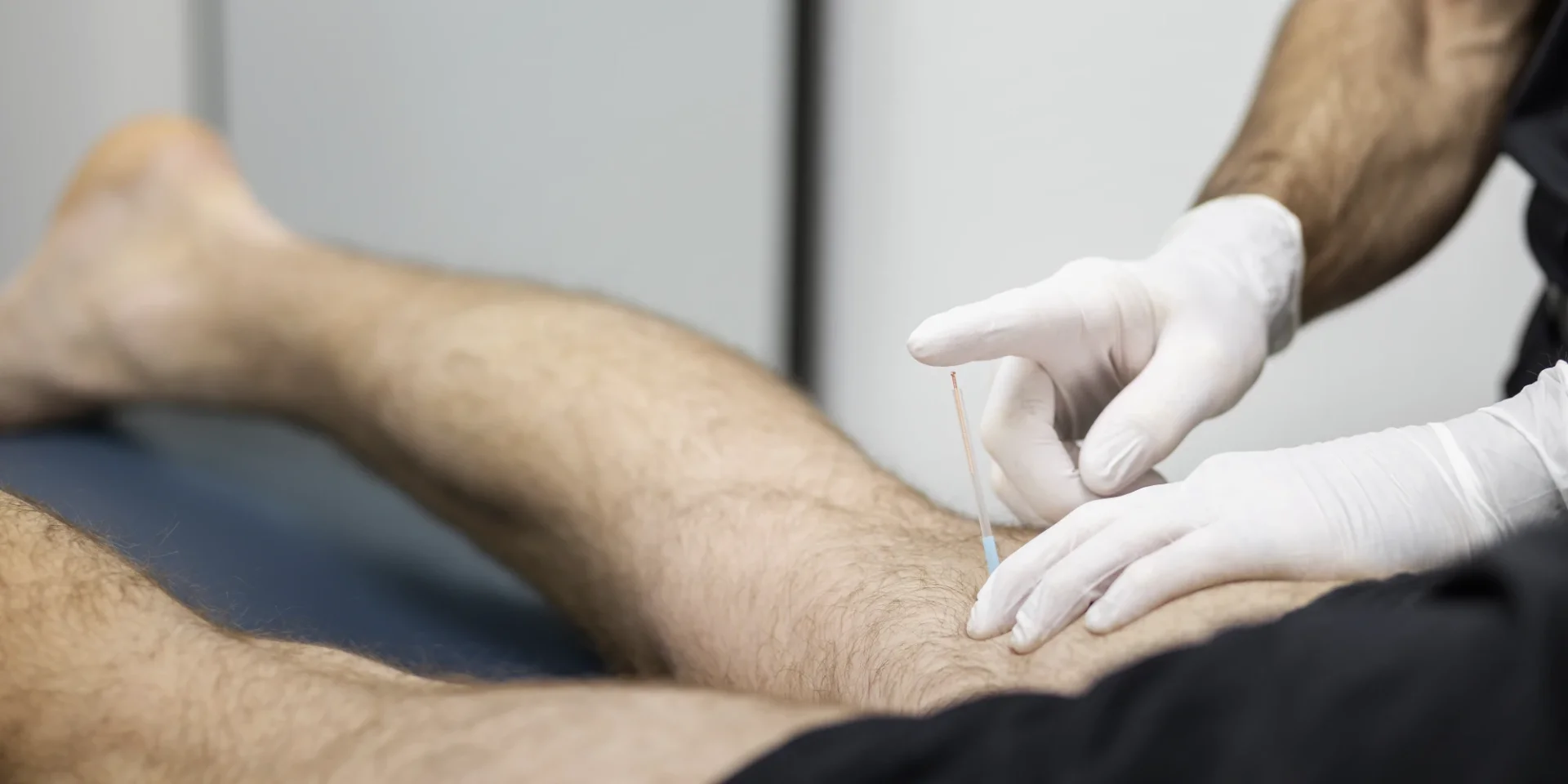
Dry needling uses fine acupuncture needles to stimulate tight or sensitive muscle tissue. It may be considered as part of a broader physiotherapy treatment plan when muscle tension, pain, or restricted movement is contributing to a problem.
Dry needling is a treatment technique used by physiotherapists who have completed approved training and are authorized to perform it. It involves inserting a thin, solid acupuncture needle into specific areas of muscle that may be tight, sensitive, or contributing to pain and movement limitation.
This technique is also called IMS, intramuscular stimulation, trigger point dry needling, or functional dry needling, depending on the training approach. While the names vary, the general goal is similar: to help reduce muscle tension and create an opportunity for improved movement.
Who it’s for
Dry needling may be used to support treatment for concerns such as:
muscle pain or guarding associated with some nerve-related symptoms
muscle tightness or guarding
pain related to sensitive trigger points
restricted movement
recurring tension in a specific area
difficulty using a muscle effectively
symptoms that are limiting progress with exercise or movement
When it may be considered
Dry needling may be considered when your physiotherapist finds that muscle tension, sensitivity, or trigger points are contributing to pain or restricted movement. It may also be used as one part of care when muscle guarding or other musculoskeletal symptoms occur alongside nerve irritation. Whether it is appropriate will depend on your assessment and the likely source of your symptoms.
However, dry needling is not appropriate for every person or every concern. Your physiotherapist will review your health history, medications, comfort level, and treatment goals before recommending it. You are always able to ask questions, decline the technique, or stop treatment at any time. If dry needling is not the right fit, your physiotherapist can recommend other treatment options to support your care.
Dry needling is often used alongside other parts of physiotherapy care, such as movement retraining, strengthening, mobility work, education, or activity modification. Your physiotherapist will help determine whether dry needling is appropriate for your situation.
What to expect
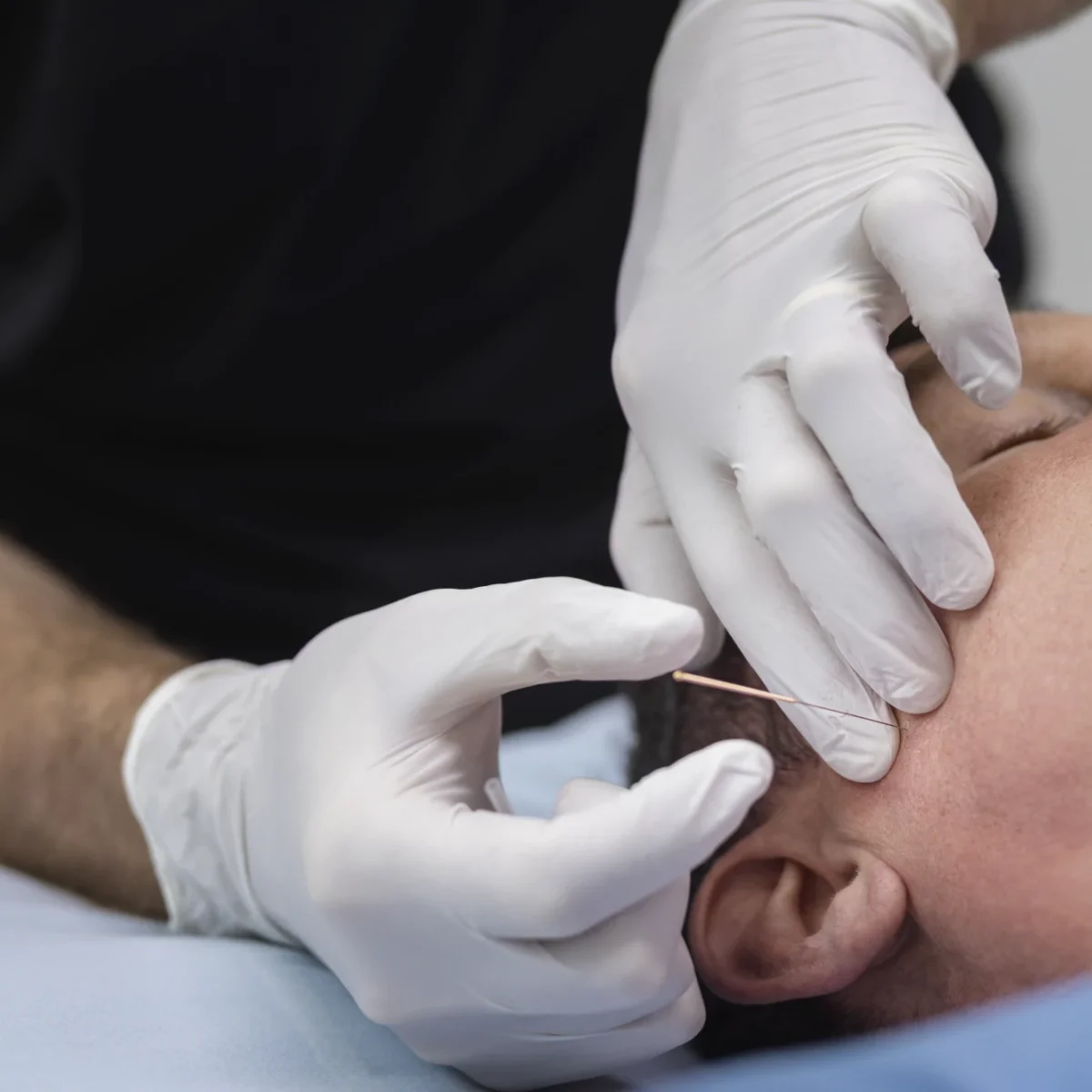
Before dry needling is used, your physiotherapist will assess your symptoms, movement, health history, and treatment goals. They will decide whether or not dry needling could be an appropriate technique to help with your condition. Your physiotherapist will then explain the technique, discuss consent, and answer your questions.
During treatment, the needle is inserted into the targeted muscle tissue. You may feel pressure, a brief cramp-like sensation, a pinch, or a quick muscle twitch. This response is usually short-lived. The needle is generally used for a short period, although the exact technique depends on the area being treated and your physiotherapist’s training.
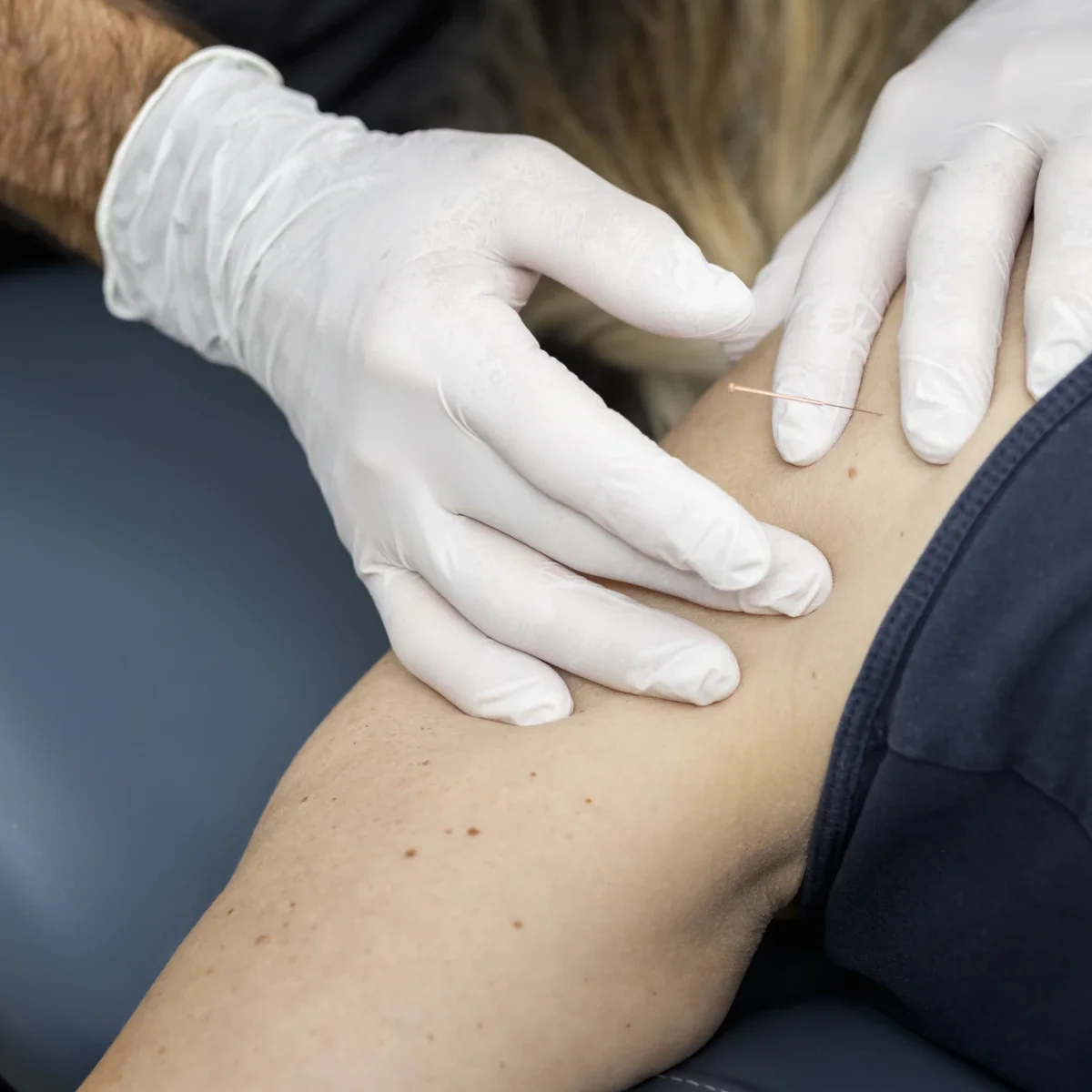
After treatment, some people feel immediate changes in tension or movement. Others may not notice an immediate change. Your physiotherapist will monitor your response to treatment and adjust the plan based on how your body responds. Temporary soreness, bruising, or minor bleeding can occur after dry needling. Your physiotherapist will explain what reactions may be expected and what to do if you have concerns.
How IMS differs from acupuncture
Dry needling and acupuncture use similar thin, solid needles, but they are not used in the same way.
In physiotherapy, dry needling is directed at musculoskeletal tissues identified through assessment. When dry needling is provided by a physiotherapist, it is used as a physiotherapy technique within your physiotherapy treatment plan.
Acupuncture may use different point selection, treatment reasoning, and needle placement depending on the practitioner’s training. For more information on acupuncture, please see our acupuncture services page.
Meet your team
The following 10 practitioners are here to help you with Dry Needling (IMS). Click on their names to read more about each practitioner’s background and education.










Related resources
Gunn IMS website at gunnims.com.
Functional Dry Needling at evidenceinmotion.com.
Understanding Dry Needling Risks and Consent by the College of Physiotherapists of Alberta.