
Tele-Rehabilitation
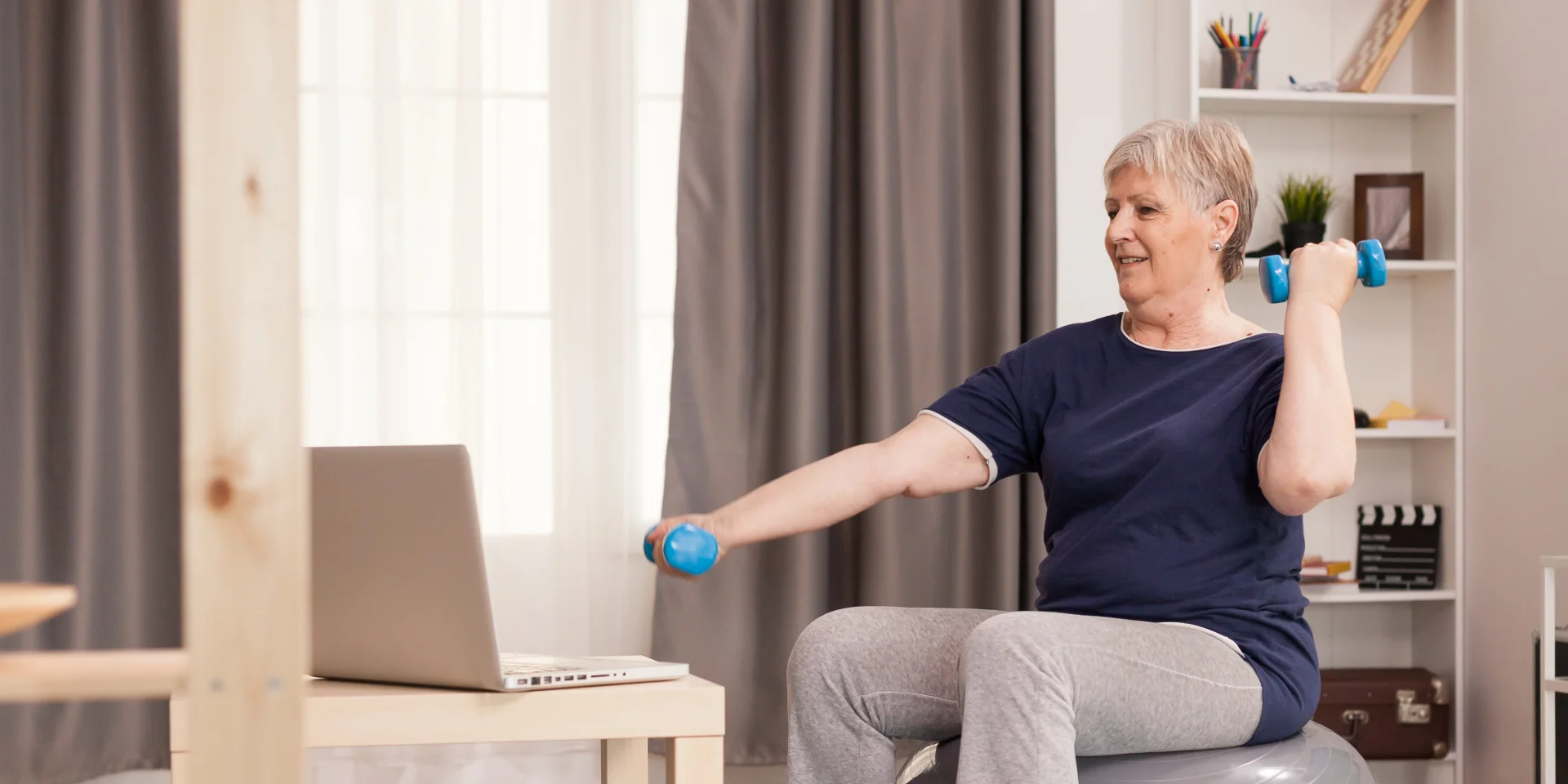
Tele-rehabilitation gives you a way to connect with your physiotherapist or kinesiologist when an in-person visit is not practical or needed.
Tele-rehabilitation — virtual, online video appointments — may be useful if mobility or transportation barriers make it difficult to attend in person, or if you want guidance between in-person visits.
We generally prefer in-person care because it allows for a more complete physical assessment and access to hands-on treatment and clinic equipment. A virtual appointment may still be useful when attending in person is difficult or when remote guidance is appropriate for your needs.
If you are unsure whether tele-rehabilitation is appropriate, contact the clinic. We can help you decide whether a virtual appointment makes sense or whether in-person care would be more suitable.
Who it’s for
A tele-rehabilitation appointment may include:
a conversation about your symptoms, goals, and progress
movement screening or guided self-assessment
education about your injury or condition
instruction in self-management strategies
exercise review and progression
guidance on returning to activity
help deciding whether an in-person appointment is needed
Your practitioner will adapt the session based on what can be safely and usefully assessed online.
How to prepare for your virtual session
You will need a device with video, a stable internet connection, and enough space to move comfortably if movement or exercise review is part of the appointment.
It may help to have:
- comfortable clothing
- any exercise equipment you have been using
- a list of questions or changes in symptoms
- enough room for your practitioner to see how you move
We suggest testing your camera, microphone, speakers, and internet connection before your appointment. If you are using a phone or laptop, make sure it is charged or plugged in.
Choose a private, well-lit space where you can move safely and your practitioner can see you clearly.
What to expect
Before proceeding, your practitioner will explain any limitations and relevant privacy or safety considerations associated with virtual care and obtain your consent.
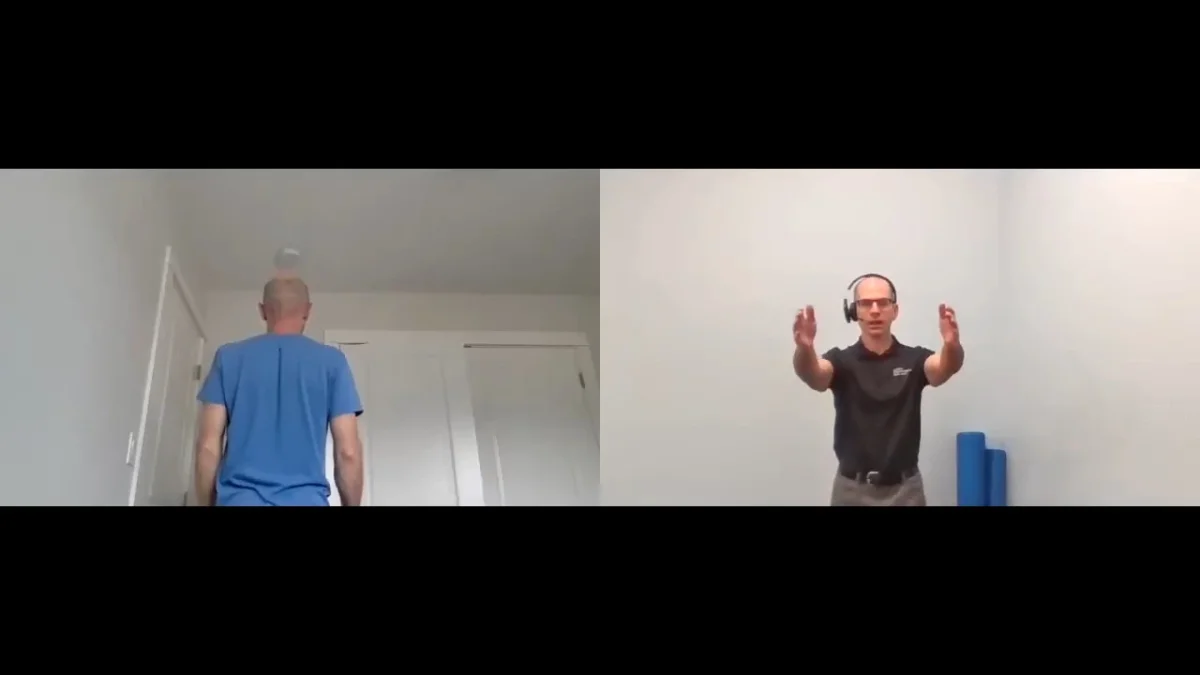
During your tele-rehabilitation appointment, your practitioner will discuss your symptoms and may guide you through movements to learn more about your condition. They may demonstrate exercises, watch you perform them, and offer feedback, advice, and self-management strategies to support your recovery at home.
This short video shows physiotherapist John Howick assessing a shoulder problem and guiding a patient through rehabilitation exercises, giving you a sense of how assessment and treatment can work remotely.
Meet your team
The following 11 practitioners are here to help you with Tele-Rehabilitation. Click on their names to read more about each practitioner’s background and education.
-

John Howick
physiotherapist -

Kevin Frudd
physiotherapist -

Catherine Bolton
physiotherapist -

Robert Wingert
physiotherapist -

Amy Moffat
physiotherapist -

Jen Jones-Larsen
physiotherapist -

Kevin Stoll
physiotherapist -

Tim Schmidt
physiotherapist -

Cameron Morrow
physiotherapist -

Kyle Hutton
physiotherapist -

Sue Grono
kinesiologist