
Understanding AC Joint Ligament Injuries: A Guide to Shoulder Pain
We are nearing the end of our mini-series on ligament and tendon injuries/tears. In our last post, we concluded our discussion on elbow injuries, including UCL tears. Today, we move up the arm to the shoulder. Shoulder injuries are common in sports, accidents, and everyday life. Most commonly, the rotator cuff is injured. You can learn more about those injuries by clicking HERE. Not all shoulder injuries involve the rotator cuff though. Another common injury is an Acromioclavicular (AC) joint ligament sprain, often referred to as a shoulder separation. This post will highlight the AC joint, how injuries occur, associated symptoms, and generally how recovery/rehabilitation works.
What Is the AC Joint?
The AC joint is a small joint where the collarbone (clavicle) meets the highest point of the shoulder blade (acromion). It sits at the very top of the shoulder and plays an important role in lifting, reaching, and rotating the arm. Its stability comes from two main groups of ligaments:
Acromioclavicular (AC) Ligaments
These ligaments run directly across the AC joint and provide horizontal stability during motions such as reaching across your body or lifting the arm.
Coracoclavicular (CC) Ligaments
Deeper and stronger, the CC ligaments act as the AC joint’s primary anchors, connecting the clavicle to a hook-like structure on the shoulder blade called the coracoid process. They prevent the clavicle from rising upward and offer vertical and rotational stability.
Common/Symptoms Causes of AC Joint Ligament Injuries
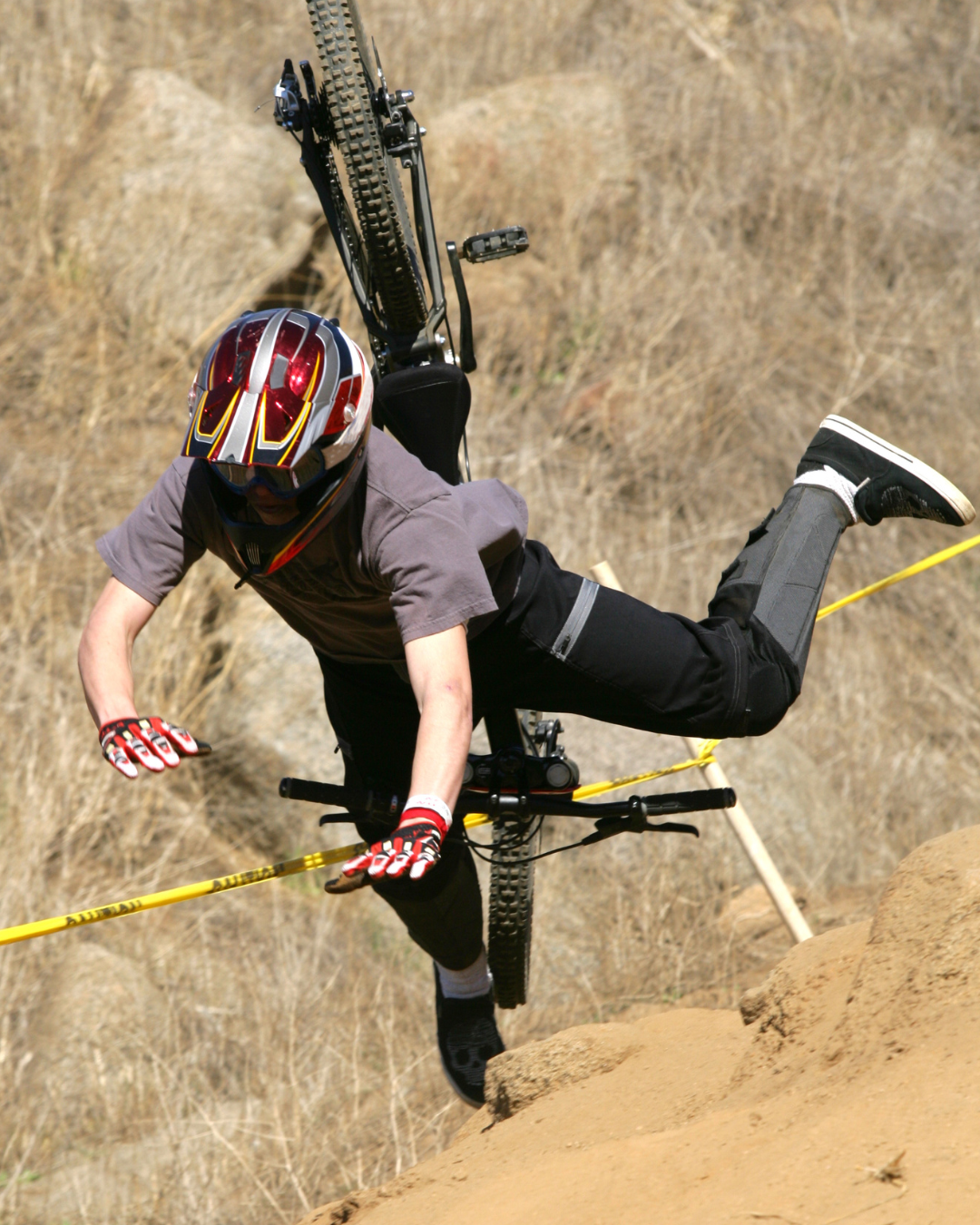
AC joint injuries usually result from a direct blow to the top of the shoulder or a fall onto one side, resulting in a landing on the shoulder or arm. Common situations include impact during contact sports or direct trauma from collisions/hard landings.
Depending on which ligaments are involved and how severely they’re damaged, symptoms may include:
- Sharp pain, tenderness, swelling, or bruising at the top of the shoulder
- Pain with lifting the arm or reaching across the body
- A visible bump at the end of the collarbone/clavicle
AC ligament injuries tend to cause localized pain and limited shoulder movement, while CC ligament tears often create a more pronounced deformity.
Types of AC Joint Injuries (Grades I–VI)
AC joint injuries are usually classified by severity. They are diagnosed by physical examination and diagnostic imaging. The severity of the injury most often determines both the symptoms and the treatment plan.
- Grade I: AC ligaments injured but not significantly torn
- Grade II: AC ligaments partially torn; CC ligaments remain intact
- Grade III: Complete or near-complete tear of both AC and CC ligaments; noticeable bump
- Grades IV–VI: More severe displacement of the clavicle. Often require surgery
Treatment Options
Non-surgical, conservative management is the most common approach to AC joint injuries from Grades I-III. Typically, rehabilitation involves a short period of immobilization in a sling, with a gradual return to movement. Physiotherapy is often aimed at restoring range of motion first, followed by strength.
Surgical intervention is usually considered only in the more severe Grade IV–VI injuries.
Conclusion:
AC joint ligament injuries are common injuries with varying presentation. Understanding the AC and CC ligaments and how they stabilize the shoulder makes the injury easier to recognize and manage. With proper diagnosis, treatment, and rehabilitation, most people fully recover within several weeks following injury. Consult one of the physiotherapists at Kamloops Physiotherapy & Sports Injury Centre if you’ve injured your shoulder. They can guide you through a specific, individualized rehabilitation program that will improve your chances of a full recovery.
This blog post was written by physiotherapist Jacob Coelho. To book an appointment with Jacob or one of our other experienced therapists, call 250-314-0788.