
Understanding Knee Bursitis
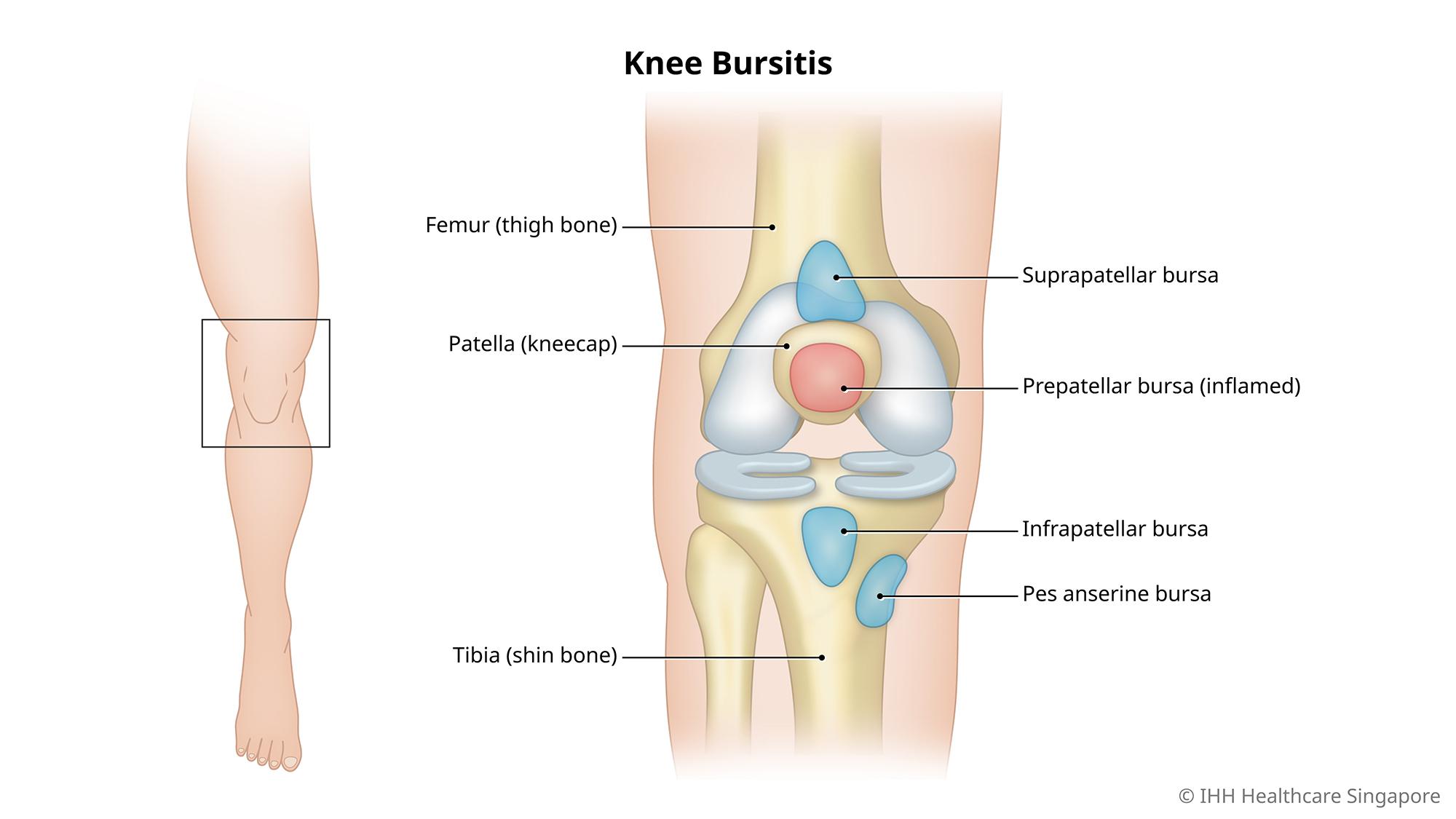
In today’s post, we continue our discussions on bursitis with a look at the knee. The knee has several bursae, and knee bursitis occurs when one of these ‘sacs’ becomes inflamed. In today’s blog post, we will focus on the most common regions of bursitis in the knee.
Most Common Types of Knee Bursitis
1. Prepatellar Bursitis
This type affects the bursa located directly on the front of the kneecap. This is typically caused by frequent or prolonged kneeling, direct trauma/repetitive pressure to the front of the kneecap, or sometimes by local infection. It can also be caused by running in some cases. Symptoms can include visible swelling, warmth, tenderness directly over the kneecap, discomfort with bending the knee, and pain when kneeling.
2. Infrapatellar Bursitis
This involves the bursae just below the kneecap, over the patellar tendon. There are 2 bursae in this region – once below the surface of the skin, and one behind the patellar tendon. Infrapatellar bursitis is common in individuals who kneel frequently (often as part of their occupation). It can also be caused by repetitive jumping, running, and overuse in sports. Pain is commonly located below the patella, where there is sometimes visible swelling and tenderness.
3. Pes Anserine Bursitis
This type affects the bursa located on the inner side of the knee, just below the knee joint line. This type commonly develops with overuse or improper training techniques. It can be seen in runners, often when trying to increase mileage or intensity. Tight hamstrings or faulty biomechanics are often the culprit in the development of pes anserine bursitis. Pain is localised to the inner knee and it is often tender to palpate this region.
4. Suprapatellar Bursitis
This type occurs in the bursa above the kneecap, which is also referred to as the Suprapatellar Recess. It is often caused by direct trauma, or is the result of swelling from within the knee joint that ‘spills over’ into the bursa/recess above the knee. This type of swelling is common with knee joint problems such as osteoarthritis, meniscus injuries, and ligament injuries. Swelling occurs above the kneecap, most visible with the knee flexed. It can cause reduced ability to bend the knee, and often feels like ‘pressure’ over the front of the knee when it is flexed.
How Knee Bursitis Is Diagnosed
A healthcare provider typically diagnoses knee bursitis through a physical exam and a review of your signs and symptoms. Although it is not common, additional tests may be used to diagnose bursitis and differentiate it from tendinitis or other injuries. Ultrasound or MRI are generally used to assess soft tissue inflammation, and would be the most likely form of testing used to diagnose bursitis.
Treatment Options for Knee Bursitis
The good news is that most cases of knee bursitis improve with conservative treatment. Common approaches to treatment are similar between all types of bursitis. Most important is to rest and modify activity by avoiding those things that aggravate the knee. Physical therapy will focus on management of pain and inflammation, often with therapeutic modalities such as ultrasound or Interferential Current. Additionally, physical therapy should address biomechanical ‘faults’ that may have led to the development of your knee bursitis. One thing I often educate individuals about is wearing knee pads or using cushions when kneeling, especially those who kneel frequently for work. I often discuss footwear, training parameters, and proper biomechanics with patients in order to prevent bursitis from recurring.
Conclusion
Knee bursitis may be painful, but by recognising the symptoms early, addressing the underlying causes, and giving your knee the support it needs, you can get back to moving comfortably and confidently. If you believe you may have knee bursitis, consult one of the physiotherapists at Kamloops Physiotherapy & Sports Injury Centre, as they can guide you through a specific, individualised rehabilitation program that will improve your chances of a full recovery. This blog post was written by physiotherapist Jacob Coelho. To book an appointment with Jacob or one of our other experienced therapists, call 250-314-0788 or book online HERE.