
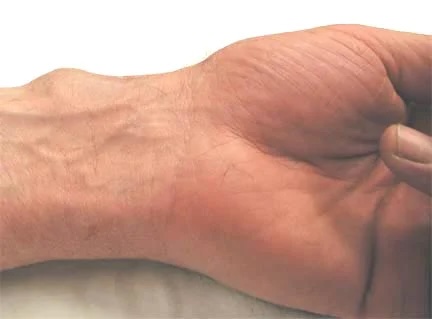
Understanding Wrist and Hand Bursitis
While bursitis is more commonly associated with larger joints like the shoulder or knee, it can also affect the wrist and hand. As in previous posts we will discuss the common symptoms, causes and relative rehabilitative interventions we use to treat wrist bursitis.
Types & Causes of Wrist and Hand Bursitis
Although bursitis in the wrist and hand is relatively uncommon, it can occur in different forms depending on the location and cause:
- Traumatic bursitis: Develops after a direct injury such as a fall or impact to the wrist or hand. Swelling may appear quickly and can be painful.
- Repetitive (chronic) bursitis: Caused by ongoing strain from repetitive movements like typing, gaming, or manual labor. These symptoms tend to develop gradually over time.
- Septic bursitis: Occurs when a bursa becomes infected, usually due to bacteria entering through a cut or puncture. This type is more serious and may involve redness, warmth, and fever.
- Inflammatory bursitis: Associated with underlying conditions such as rheumatoid arthritis or gout, where inflammation affects multiple joints, including the wrist and hand.
Symptoms of Wrist and Hand Bursitis
As with any form of bursitis in the body, the symptoms of wrist and hand bursitis can vary in severity but often include localized swelling or a visible bump. Individuals commonly experience reduced range of motion, pain/tenderness, and warmth and redness around the affected area, which is often exacerbated with movement. In cases of infection, a fever and increased swelling may be present.
Treatment Options
Treatment depends on the severity and cause of the bursitis yet will commonly be treated conservatively. This includes activity modification to avoid aggravating movements, wearing a splint or brace, and using therapeutic modalities to reduce inflammation. As with other types of bursitis, a persistent bursitis in the wrist or hand could warrant a corticosteroid injection and/or antibiotics (in case of infection) from your physician.
Physical therapy aims to promote the restoration of mobility and strength of the wrist/hand, while identifying and implementing strategies to reduce the risk of recurrence. These strategies can look different for each individual; yet I commonly recommend taking frequent breaks during repetitive tasks and maintaining proper ergonomics when typing/working. It is often advisable to stretch and strengthen the muscles surrounding the wrist and hand to build a stronger foundation and increased activity tolerance.
Conclusion
Wrist/Hand bursitis is not that common of a condition, yet can significantly affect an individual’s quality of life. By understanding the causes of bursitis, and utilizing proper care and prevention strategies, most people recover fully without long-term complications. If you believe you may have wrist bursitis, consult with one of the physiotherapists at Kamloops Physiotherapy & Sports Injury Centre They can guide you through a specific, individualised rehabilitation program that will improve your chances of a full recovery.
This blog post was written by physiotherapist Jacob Coelho. To book an appointment with Jacob or one of our other experienced therapists, call 250-314-0788 or book online HERE.