
A Simple 10-Minute Mobility Routine for Beginners
In one of our latest blog posts, we highlighted a guide to return to activity after the winter months. In that post, I mentioned the importance of conducting a 5–10-minute warm-up routine before participating in your physical activity. A consistent mobility routine can make a real difference in how your body moves and feels.
Therefore, in today’s post, I’ve created a simple routine designed for beginners. It’s gentle, practical, and targets the areas most people struggle with: hips, spine, shoulders, and ankles.
What Is Mobility?
Mobility is not flexibility. Mobility is your ability to move a joint through its full range of motion with control. Good mobility helps you reduce stiffness/tension, lowers your risk of injury, and can improve your daily movement and posture.
Daily Mobility Routine
Aim to move slowly and breathe throughout. None of these exercises should feel painful—mild stretching or effort is okay, sharp pain is not.
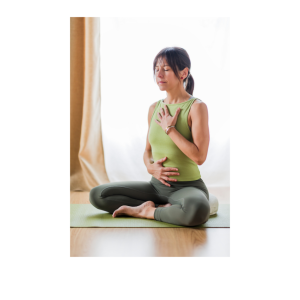
How: Sit or lie comfortably. Place one hand on your belly, one on your ribs. Take slow breaths – think 4 seconds in/6 seconds out – expanding your belly and ribs outward while you inhale. Why it helps: Improves posture, reduces tension, and prepares your body to move. |
 |
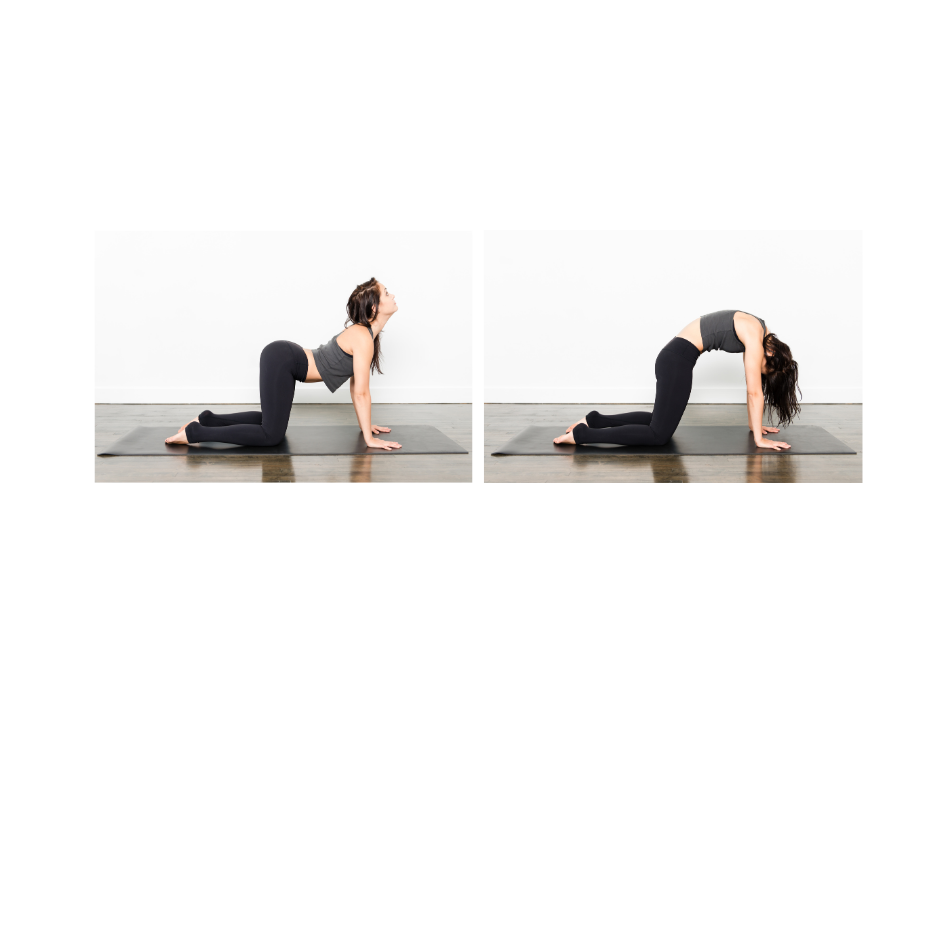
How: On hands and knees. Arch your back up (cat), then slowly drop your belly and lift your chest (cow). Move with your breath. Why it helps: Keeps your spine moving and reduces stiffness from sitting. |
|
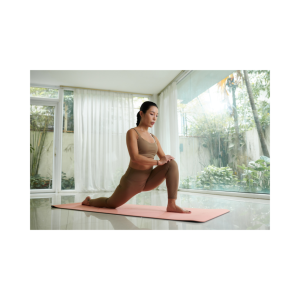
How: Kneel on one knee, while gently shifting your weight forward. A stretch should be felt in the front of your hip. Keep your torso upright. Why it helps: Counteracts tight hips from prolonged sitting. |
 |
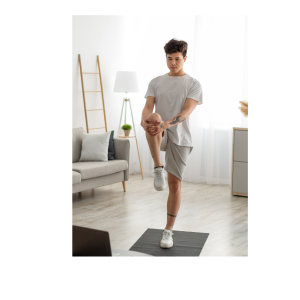
How: While standing, lift one knee toward your chest. Gently hug it with your hands and pull upwards. Hold briefly, then lower and switch sides. If balance is an issue, you can do this seated. Why it helps: Improves hip mobility, balance, and helps loosen the lower back and glutes. |
 |
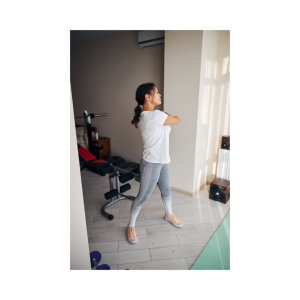
How: Stand tall with feet shoulder-width apart. Cross your arms over your chest or hold them straight out in front. Rotate your upper body slowly side to side, while keeping your hips facing forward. Why it helps: Improves upper back mobility, reduces stiffness from prolonged sitting, and supports better posture. |
 |
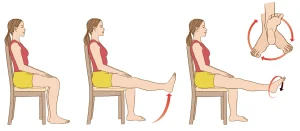
How: Sit or stand and lift one foot slightly off the ground. Slowly circle your ankle clockwise and counterclockwise for 30 seconds each. Repeat on the other side Why it helps: Improves joint lubrication, reduces stiffness, and helps prevent ankle injuries |
 |
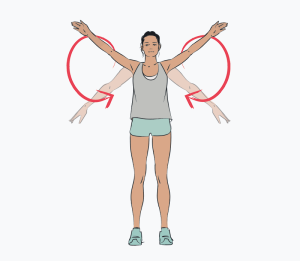
How: Circle arms forwards and backwards – 30 seconds each direction. Why it helps: Reduces upper body tension and improves shoulder movement. |
 |
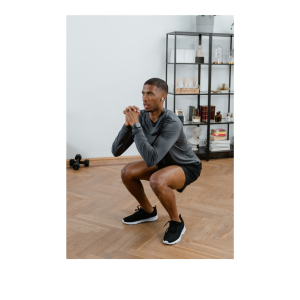
How: Stand with feet shoulder-width apart. Sit down and back into a squat position. Go as low as comfortable, while taking breaks as needed. Try to complete 10-15 squats. Why it helps: Full-body movement that integrates all lower extremity joints. |
 |
Tips to Stay Consistent
- Do it at the same time each day (morning works well)
- Start slow and build up gradually
- If something feels painful, skip it and seek help
Conclusion
A 10-minute per day mobility routine can help you feel less stiff, move more freely, and stay active long term. If you have ongoing pain, repeated injuries or if any of the above exercises cause you pain, see one of the physiotherapists at Kamloops Physiotherapy & Sports Injury Centre. They can guide you through a specific, individualized rehabilitation program built to suit your needs.
This blog post was written by physiotherapist Jacob Coelho. To book an appointment with Jacob or one of our other experienced therapists, call 250-314-0788 or book online HERE.